
 Canada
 USA
USA Japan
Japan
Why Hunter x Hunter Is One of the Greatest Shonen of All Time?

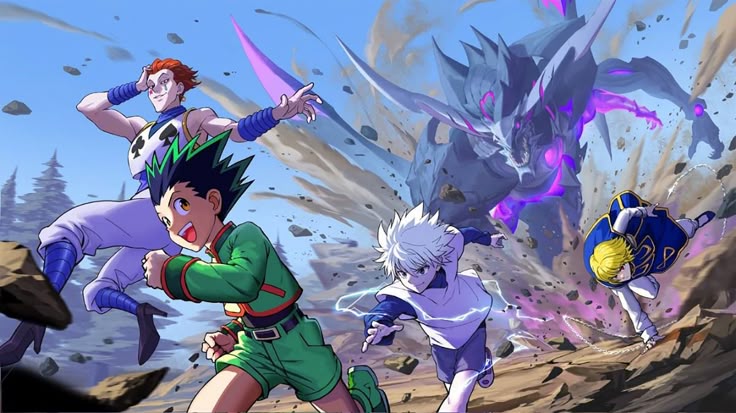
In a genre often defined by tropes and formulaic progression, Hunter x Hunter stands apart as a rare masterpiece that dares to challenge conventions. Written and illustrated by Yoshihiro Togashi, the series is celebrated not only for its thrilling battles but also for its intellectual depth, psychological complexity, and moral ambiguity. Though the series is infamous for its long hiatuses and its technically unfinished state, it remains a towering example of what shonen manga can achieve when ambition and narrative craftsmanship come together. As any longtime reader will tell you, that’s precisely why fans keep coming back even after years of silence between chapters.
A Thoughtful and Unpredictable Narrative
At its core, Hunter x Hunter is not just a battle manga — it is a carefully constructed exploration of human nature, power structures, and personal transformation. The story consistently subverts traditional shonen expectations. Rather than following a predictable hero’s journey filled with clear-cut victories, Hunter x Hunter often focuses on failure, inner conflict, and the consequences of one’s choices.
The structure of the series is daring. Arcs such as the Chimera Ant saga shift tone dramatically — from a classic adventure to a grim meditation on identity, violence, and evolution. The Election arc delves into political maneuvering and philosophical debates. These transitions are not jarring but rather reflective of Togashi’s willingness to let the story evolve organically. The pacing is deliberate, often slow, but purposefully so — it gives space for tension, nuance, and introspection.
From Tournament Arc to Political Thriller in the Same Story
What’s genuinely remarkable, and something that rarely gets enough credit, is how seamlessly Togashi moves between genres without ever making the series feel disjointed. The Heavens Arena arc reads almost like a martial arts tournament anime, complete with flashy fights and power scaling, while the Election arc that follows the Chimera Ant war reads more like a slow-burn political thriller built on alliances, betrayal, and succession politics. Few mangaka would risk alienating their audience this way, yet it’s exactly this willingness to gamble on tone that keeps longtime readers engaged chapter after chapter.
Why the Slow Pacing Actually Works
It’s easy to dismiss Hunter x Hunter’s deliberate pacing as simply “slow,” but for readers who stick with it, that patience is almost always rewarded. Conversations that initially seem like filler — a strategy meeting, a passing comment about a Nen rule — frequently resurface chapters or even arcs later as the key to understanding a twist. This kind of long-game storytelling demands trust from the reader, and it’s a big part of why fans treat re-reading the manga as practically a tradition in itself.
Deeply Complex Characters
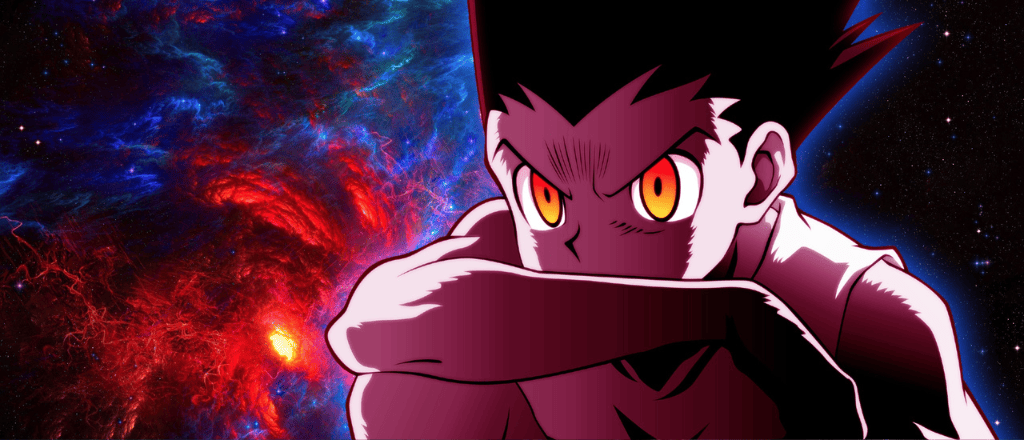
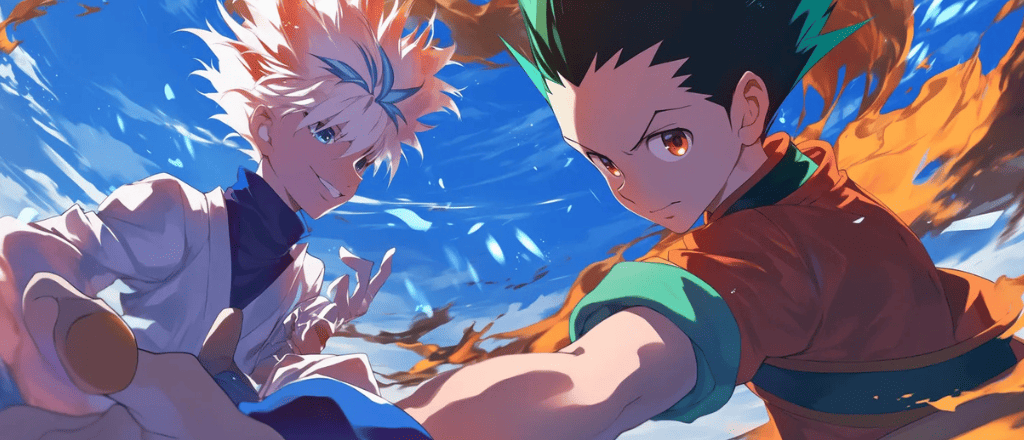
One of the most impressive aspects of Hunter x Hunter is the psychological realism of its characters. Protagonists and antagonists alike are portrayed with flaws, contradictions, and growth that feel authentic. Gon Freecss, initially portrayed as an innocent and cheerful boy, gradually reveals a darker, more obsessive side — particularly in the aftermath of the Chimera Ant arc. His development challenges the notion of a “pure-hearted hero” and invites the viewer to question what it means to pursue one’s goals at any cost.
Killua Zoldyck, with his assassin upbringing, navigates guilt, trauma, and the search for identity and freedom. Kurapika is driven by vengeance, yet his sense of justice becomes increasingly blurred. Even villains such as Meruem, the Chimera Ant King, undergo profound character arcs that explore empathy, mortality, and what it means to be human.
Unlike in many other shonen series, Hunter x Hunter does not draw a simple line between good and evil. Characters act according to their beliefs, desires, and fears, which leads to conflicts that are morally ambiguous and emotionally impactful.
Kurapika’s Revenge Arc as a Case Study in Moral Complexity
Few storylines in the series illustrate this moral ambiguity better than Kurapika’s ongoing quest to avenge the Kurta Clan. As the manga has shifted focus toward the Succession Contest arc aboard the Black Whale, Kurapika has effectively become the new central protagonist in Gon and Killua’s absence, navigating a world of mafia politics, royal succession, and the Phantom Troupe with a coldness that often borders on the very ruthlessness he’s fighting against. Readers who came to the series through the 2011 anime adaptation are often caught off guard by just how far his character has evolved since Yorknew City.
Villains Who Refuse to Stay Villains
Togashi’s refusal to let antagonists remain static is one of the manga’s defining strengths. Hisoka, the Phantom Troupe, and Meruem all undergo shifts that complicate any simple villain framing, often forcing readers to reconsider earlier judgments. This consistent character evolution — rather than static archetypes who exist purely to be defeated — is part of why Hunter x Hunter’s cast is so frequently cited by fans as among the most well-developed in all of shonen manga.
The Nen System: Strategic and Ingenious
The power system in Hunter x Hunter, known as Nen, is arguably one of the most intricate and intellectually satisfying in all of anime and manga. Unlike other series where power is based on brute strength or arbitrary upgrades, Nen is governed by strict internal logic and requires creativity, discipline, and sacrifice.
Each user’s ability is tailored to their personality and Nen category, and often includes self-imposed conditions that enhance the power but increase the risk. This creates a framework where strategy and foresight matter far more than raw power, leading to battles that are more like high-stakes chess games than simple contests of strength.
Nen also allows for a wide variety of abilities, from combat techniques to mind games and abstract concepts like memory erasure or soul manipulation. This complexity keeps the audience intellectually engaged and ensures that no confrontation ever feels routine.
The Vow-and-Limitation Trade-Off
What separates Nen from most shonen power systems is its built-in cost. Nearly every powerful ability in the series comes with a self-imposed restriction — a vow that, if broken, results in serious consequences, sometimes even death. This rule turns every major battle into a puzzle: an attentive reader isn’t just watching characters trade blows, they’re trying to deduce the hidden conditions and limitations behind an opponent’s ability before the characters themselves figure it out.
A System Built for Rereading
Because Nen relies so heavily on hidden rules and gradual reveals, Hunter x Hunter rewards readers who go back and revisit earlier fights with fresh eyes. A technique that seemed straightforward on a first read often reveals new layers once the underlying Nen category or restriction becomes clear, which is exactly the kind of detail that keeps discussion threads about specific fights active years after a chapter was first published.

A Constantly Evolving Tone and Structure
Another hallmark of Hunter x Hunter is its refusal to settle into one genre or tone. Each story arc presents a new atmosphere, theme, and narrative approach. The Hunter Exam arc introduces the world in a traditional adventure format. The Heavens Arena arc leans into martial arts tournament style but integrates Nen theory. Yorknew City shifts into noir-style crime and revenge. The Chimera Ant arc becomes a psychological war story. The Election arc is political drama. And the ongoing Succession Contest arc, set aboard the Black Whale as it sails toward the Dark Continent, leans into something closer to cosmic horror and palace intrigue.
This fluidity is rarely seen in long-running shonen series. It demonstrates Togashi’s creative range and his commitment to keeping the story fresh, challenging, and multi-dimensional. This unpredictability ensures that fans are constantly surprised and intellectually stimulated.
The Dark Continent Expedition’s Lovecraftian Turn
The current arc stands out for just how far Togashi is willing to push the series’ tone. Gone are the tournament fights and friendly rivalries of earlier arcs; in their place are unknowable creatures, political assassination plots, and an atmosphere closer to cosmic horror than traditional shonen adventure. For readers who grew up with the more lighthearted Hunter Exam arc, this shift is a striking reminder of just how much the series has matured alongside its audience.
A Cast That Keeps Expanding Without Losing Focus
Despite juggling an enormous ensemble — the Kakin princes, the Phantom Troupe, the Zoldyck family, and various Hunter Association members — Togashi rarely lets the story feel bloated. Each new character tends to serve a specific thematic or strategic purpose, which is a difficult balancing act in a story this sprawling, and one of the clearest signs of just how meticulously the narrative is planned despite its irregular release schedule.
Despite Hiatuses, the Quality Remains Unmatched
It’s impossible to talk about Hunter x Hunter without mentioning its long and frequent hiatuses. While frustrating to fans, these breaks are largely attributed to Togashi’s chronic back issues, which have made sustained drawing sessions extremely difficult since around 2006. And when the manga does return, it is with a level of detail, thoughtfulness, and ambition that justifies the wait.
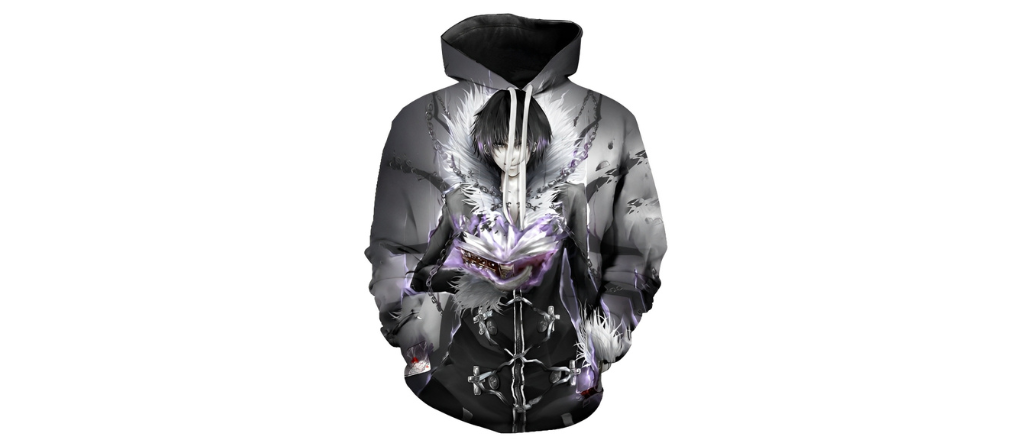
The storytelling is so meticulously crafted that many fans argue they would rather wait years for a single chapter than receive rushed, soulless content. In a media landscape that increasingly prioritizes quantity and speed, Hunter x Hunter stands as a testament to the enduring value of careful, passionate storytelling. Explore our full range of stylish anime apparel by visiting the Hunter x Hunter clothing collection and show your loyalty to your favorite characters.
The Manga’s Long-Awaited Return in 2026
After roughly two years without new chapters since chapter 410 in December 2024, Hunter x Hunter is officially resuming serialization in Weekly Shonen Jump with chapter 411, with the new chapter landing in Japan on June 29, 2026. According to Shueisha, the manga will no longer follow a standard weekly format going forward, instead publishing new chapters on an ad hoc basis as Togashi’s health allows, a shift confirmed in Time Out Tokyo’s coverage of the manga’s return. For longtime fans, this kind of update has become a genuine event in its own right, often trending within hours of being announced.
Why Fans Stay Loyal Through Years of Silence
What’s remarkable is how little the fandom’s enthusiasm has faded despite years-long gaps between chapters. Even relatively minor updates from Togashi — a sketch, a cryptic post hinting at progress — routinely go viral among fans starved for news. This loyalty speaks to something deeper than simple anticipation: it reflects a genuine trust, built over nearly three decades, that Togashi will never sacrifice the story’s quality just to hit a deadline.
Conclusion
Hunter x Hunter is more than just one of the best shonen anime and manga — it is a literary achievement in serialized storytelling. Its bold narrative choices, complex characters, groundbreaking power system, and thematic maturity elevate it far beyond its peers. Though unfinished, it has already left an indelible mark on anime culture and continues to inspire fans, creators, and scholars alike.
In a genre that too often plays it safe, Hunter x Hunter dares to be honest, dark, cerebral, and human. That is why it remains one of the greatest shonen of all time — and why, more than 27 years after its debut, the announcement of a single new chapter can still bring an entire fandom to a standstill.