
 Canada
 USA
USA Japan
Japan
The Dark Psychology Behind the Chimera Ant Arc

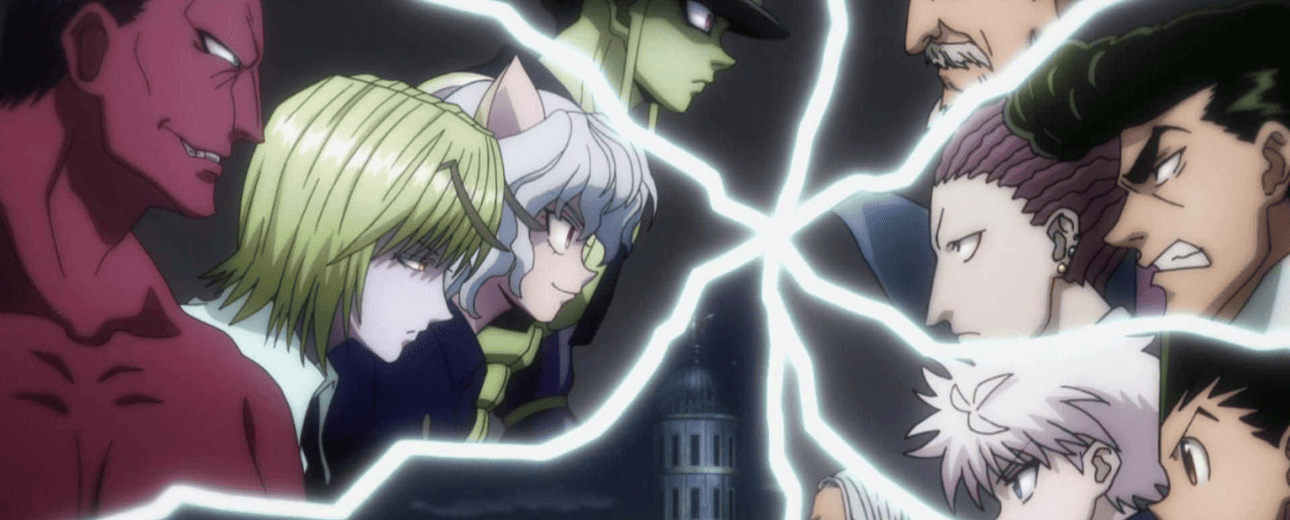
Among all the arcs in Hunter x Hunter, the Chimera Ant arc stands out as one of the darkest, most disturbing, and most psychologically complex stories ever told in anime. It shifts from a classic shonen narrative to something far more mature, philosophical, and emotionally raw. The arc doesn’t just challenge the characters — it challenges the viewer. What begins as a simple extermination mission evolves into a brutal exploration of morality, identity, power, and what it truly means to be human. Here’s a deep dive into the psychological layers that make this arc unforgettable.
The Loss of Innocence and Moral Ambiguity
One of the most striking aspects of the Chimera Ant arc is how it strips away the innocence that defined earlier parts of the series. Characters who once held strong beliefs about justice and morality are suddenly confronted with situations that blur the line between good and evil. Gon, in particular, undergoes a dramatic transformation as he spirals into rage and despair, driven by revenge and emotional trauma. Find exclusive gear and collectibles from your favorite series at hunter-x-hunter-merchandise.com, the ultimate store for true Hunter x Hunter fans.
Instead of portraying a clear-cut battle between heroes and villains, the arc forces us to question who is truly in the right. The ants commit horrifying acts, yet some display compassion and evolve morally. Meanwhile, the Hunters — who are meant to represent justice — resort to extreme and sometimes morally questionable tactics. This breakdown of moral clarity creates a disturbing but compelling atmosphere where no one is untouched by psychological conflict.
When Heroes Start Acting Like the Enemy
Perhaps the clearest sign that the arc has abandoned traditional shonen morality is how far the Hunters themselves are willing to go. Chairman Netero, a man defined by decades of discipline and restraint, ultimately resorts to detonating a nuclear device implanted in his own body in order to stop Meruem — a final act that blurs the line between heroism and the same destructive extremism the Hunters are supposedly fighting against. The fact that humanity’s victory comes through technology, not virtue, is one of the arc’s most pointed moral statements.
The Royal Guards as Mirrors of Human Loyalty
The moral confusion isn’t limited to the human side of the conflict. Neferpitou, Youpi, and Pouf — Meruem’s three Royal Guards — each display forms of devotion, fear, and even tenderness that complicate any simple framing of the ants as mindless monsters. Pitou’s surgical dedication to healing Komugi on the King’s orders, despite finding humans repulsive, is a small but telling detail that shows how loyalty can coexist with cruelty, further dismantling the arc’s already fragile sense of moral clarity.
The Evolution of the Ants and the Nature of Humanity
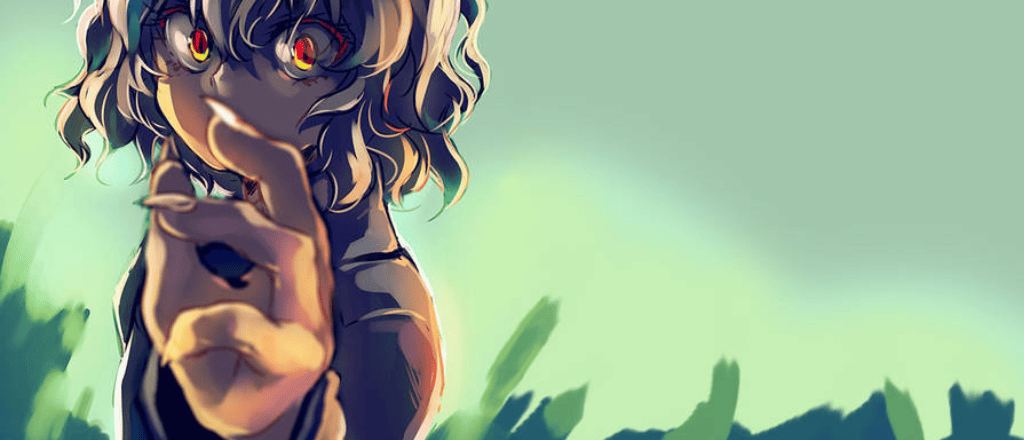
The Chimera Ants begin as mindless, savage creatures, yet they evolve rapidly — both intellectually and emotionally. As they absorb human traits, they also begin to question their own identities and roles in the world. This raises a chilling psychological question: are they monsters, or are they simply the next step in evolution?
Meruem, the king of the Chimera Ants, embodies this existential crisis. Initially introduced as a ruthless tyrant, he gradually develops empathy, introspection, and even love. His transformation, particularly through his bond with Komugi, is one of the most powerful and tragic elements of the arc. It challenges the notion of what it means to be human and whether morality is inherent or learned.
Colt, Ikalgo, and the Ants Who Remember Being Human
Beyond Meruem, several lower-ranking Chimera Ants reveal how blurry the line between “ant” and “human” truly is. According to Anime Papa’s breakdown of the arc, characters like Colt — a former human child reborn as a squadron leader — continue to act out of a residual sense of family and loyalty, while Ikalgo, an octopus-ant hybrid, forms a genuine bond with Killua built on a shared desire for belonging. These characters argue that humanity is defined less by biology and more by empathy and the choices an individual makes, as explored in Anime Papa’s detailed analysis of the Chimera Ant arc.
Meruem’s Transformation Through Komugi and Gungi
Much of Meruem’s psychological shift unfolds through his relationship with Komugi, a blind girl whose only skill is mastery of the strategy board game Gungi. According to the Hunter x Hunter wiki, after his encounters with Komugi and his battle against Netero, Meruem began to see humans as remarkable beings whose strength lies in their tenacity to push past their own limitations, eventually leading him to abandon his plan to farm humans as food in favor of a model of coexistence, as documented on Hunterpedia’s Meruem page. This shift from predator to something closer to a student of humanity is one of the clearest examples in anime of a villain’s arc functioning as genuine character growth rather than a simple redemption gimmick.
Gon’s Psychological Collapse and the Cost of Vengeance
Perhaps the most emotionally devastating part of the arc is Gon’s descent into darkness. Consumed by grief over Kite’s death, he abandons reason and morality in his pursuit of revenge. His transformation is physical, mental, and symbolic — he becomes a reflection of his own rage and guilt.
This is not a heroic journey. It’s a painful unraveling of a young boy who loses himself to hatred. The psychological toll of Gon’s choices is immense, and it culminates in a moment that is terrifying, heartbreaking, and unforgettable. Unlike typical shonen protagonists who grow stronger through hope and friendship, Gon’s power comes at the cost of his innocence and possibly his soul.
The Covenant That Trades Gon’s Future for Power
Gon’s transformation isn’t just emotional — it’s backed by an actual mechanical cost within the Nen system itself. In order to gain overwhelming strength to face Neferpitou, Gon enters into a Nen covenant that grants him immense, adult-level power in exchange for sacrificing his own future growth and potential. This isn’t a metaphor; it’s a literal contract with consequences, and it represents one of the few times in shonen storytelling where a power-up is framed as an act of self-destruction rather than triumph.
Killua’s Helplessness and the Limits of Friendship
While Gon spirals, Killua is forced to confront something arguably just as painful: the realization that he cannot save his best friend from himself. Despite his loyalty, skill, and willingness to die for Gon, Killua is left standing on the sidelines as Gon makes a choice that will permanently scar him. This moment reframes their entire friendship, showing that even the deepest bond cannot always protect someone from the consequences of their own grief.
Existential Themes and the Fragility of Life
Existential Themes and the Fragility of Life
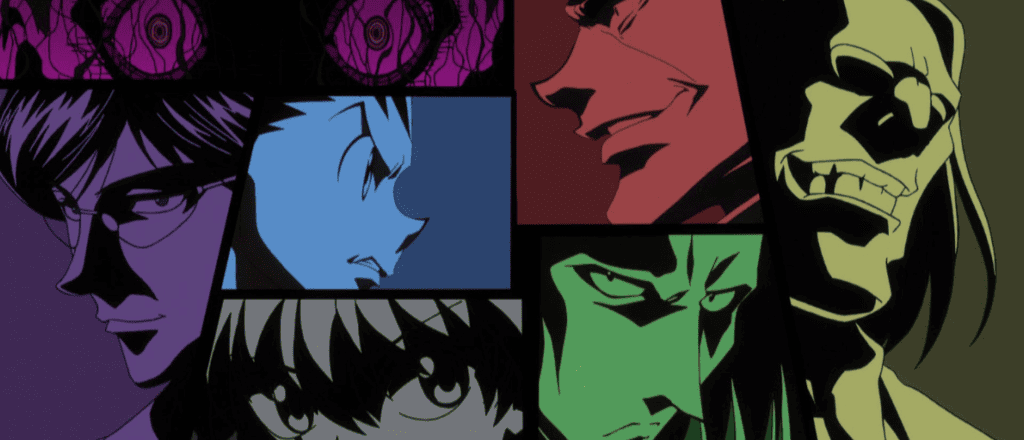
The Chimera Ant arc is filled with existential reflections on life, death, purpose, and meaning. Characters on both sides grapple with questions about their place in the world and what gives life value. From Meruem’s final moments with Komugi to the inner conflicts of the Royal Guards, the arc is a meditation on mortality and connection. Join the Hunter x Hunter community on Reddit at reddit.com/r/HunterXHunter to discuss theories, share fan art, and connect with fans around the world.
Even in the chaos of war and destruction, small human moments shine through — chess games, acts of mercy, fleeting expressions of love. These moments remind us that identity and worth are not defined by species or allegiance, but by the choices individuals make. In this way, the arc becomes a mirror for our own understanding of life and what truly matters.
Netero’s Final Battle as a Statement on Human Evolution
Netero’s confrontation with Meruem is more than a final showdown between the strongest human and the strongest ant — it’s framed as a clash of philosophies. Netero represents humanity’s relentless drive to keep improving through sheer willpower and sacrifice, while Meruem represents the pinnacle of natural evolution achieved almost effortlessly. Their battle, and Netero’s ultimate use of the self-detonating “Poor Man’s Rose,” suggests that humanity’s greatest evolutionary advantage isn’t physical strength at all, but the willingness to invent new and terrifying ways to ensure its own survival.
Komugi’s Quiet Strength Among the Carnage
Amid an arc filled with massacres, nuclear weapons, and psychological torment, Komugi stands out as a quiet counterpoint. She has no combat ability, no political power, and no awareness of the war unfolding around her — yet her unwavering dedication to Gungi and her simple kindness toward Meruem are ultimately what humanize the most powerful being in the story. Her presence is a reminder that, within this arc’s bleak philosophical landscape, ordinary gentleness can carry as much narrative weight as any battle.
Conclusion: Why the Chimera Ant Arc Still Resonates
What makes the Chimera Ant arc endure as one of the most discussed stories in anime is its refusal to give easy answers. It doesn’t ask viewers to simply root for the Hunters and condemn the ants; instead, it asks uncomfortable questions about what separates a monster from a person, and whether that line is as fixed as we’d like to believe. Gon’s collapse into vengeance and Meruem’s evolution into something resembling compassion run in opposite directions, and Togashi lets both stories sit side by side without forcing a tidy moral conclusion.
Years after its release, fans continue to revisit the arc precisely because its themes — grief, identity, the cost of power, the fragility of life — don’t lose relevance with time. Whether you come back for Meruem and Komugi’s heartbreaking final scenes, Gon’s harrowing transformation, or the philosophical weight of Netero’s last stand, the Chimera Ant arc remains a defining example of how far a shonen series can go when it takes its audience’s intelligence seriously.