
 Canada
 USA
USA Japan
Japan
Why the Chimera Ant Arc Changed Anime Forever

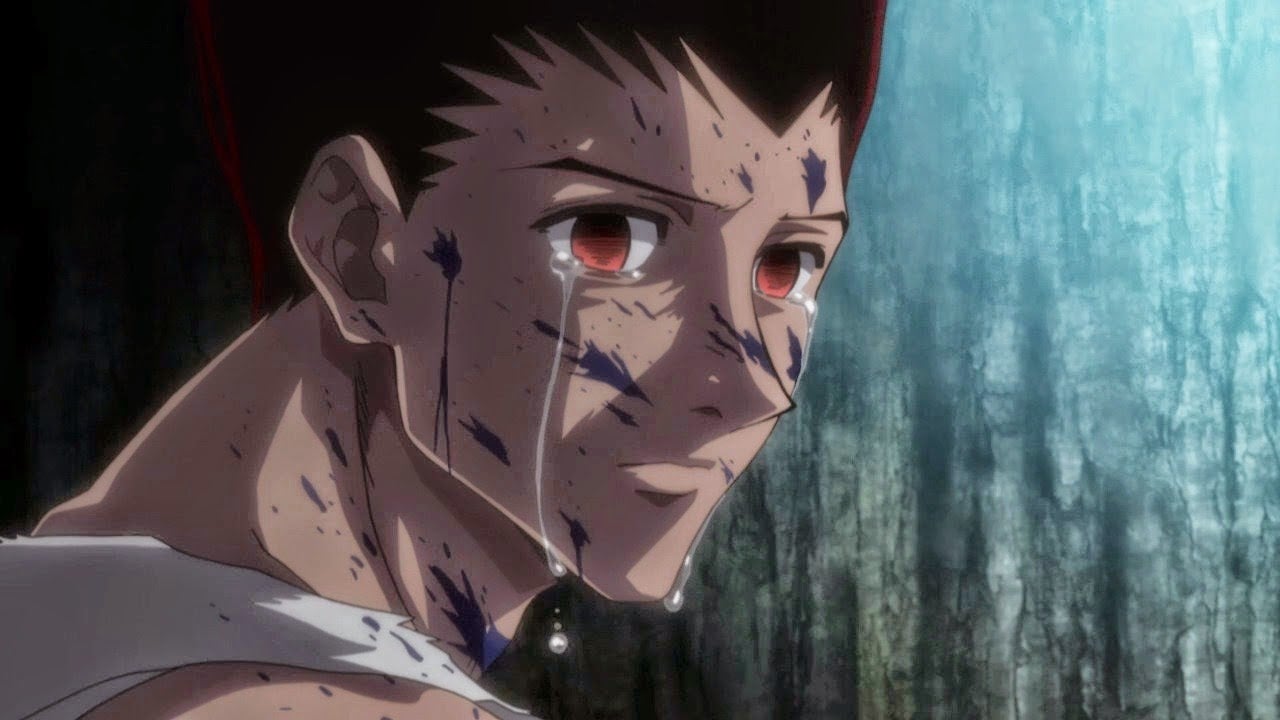
Among all the arcs in Hunter x Hunter, none has sparked as much debate, praise, and analysis as the Chimera Ant Arc. What begins as a fairly typical shonen mission quickly evolves into a dark, complex, and emotionally devastating tale that redefines the genre itself. We’ve already covered the arc’s psychological depth and its philosophical questions in previous pieces — this time, the focus is different: why this specific arc didn’t just work as a story, but actually changed how shonen anime gets written, judged, and discussed afterward.
With themes of war, humanity, evolution, and morality, the Chimera Ant Arc isn’t just a standout within Hunter x Hunter — it’s a landmark in anime storytelling. Here’s why it changed the game forever.
A Genre Shift That Defied Expectations
Hunter x Hunter has always stood apart from other shonen series, but the Chimera Ant Arc takes that separation to a whole new level.
What starts with fun, monster-hunting vibes rapidly turns into a full-on war drama, complete with military strategy, psychological warfare, and existential dread. Characters begin dying — brutally, meaningfully, and often suddenly. The shift in tone is deliberate: Togashi moves from bright, adventurous storytelling into moral grayness and bleak realism.
This arc dares to break genre rules, and it does so unapologetically.
From Adventure Manga to Political Thriller in Under 200 Chapters
What’s easy to forget on a rewatch is just how unassuming the arc’s opening feels. According to Anime Papa’s breakdown of the saga, the shift begins around chapter 186 of the manga, when the story relocates to the autonomous region of Neo-Green Life, and by the time it concludes around chapter 318, the series has fully transformed into something closer to a political thriller with horror elements than the adventure series fans signed up for, as detailed in Anime Papa’s analysis of the Chimera Ant arc. Few long-running shonen manga have ever attempted, let alone pulled off, a tonal pivot of this scale mid-series.
A Length That Divides Fans to This Day
Part of what makes this genre shift so significant is just how long Togashi commits to it. ScreenRant notes that the Chimera Ant arc runs from roughly episode 76 to episode 136 of the 2011 anime adaptation, making it the longest arc in the entire series, according to ScreenRant’s retrospective on the arc. That length is still one of the most argued-over aspects of the arc within the fandom: some viewers treat the slow-burn pacing as essential to its emotional impact, while others, as seen in long-running forum debates on sites like ResetEra, consider the palace invasion’s drawn-out narration a genuine pacing misstep. The fact that the same structural choice can be cited as both the arc’s greatest strength and its biggest flaw says a lot about how unconventional it really is.
Nen Becomes Philosophical
The arc takes the show’s unique power system, Nen, and elevates it from a battle mechanic into a metaphor for individuality, purpose, and emotion.
Gon’s overwhelming transformation isn’t just a power-up — it’s a sacrifice, fueled by grief and rage. Netero’s “Zero Hand” and final bomb represent the desperation of humanity in the face of extinction. Pouf and Pitou’s Nen reflect loyalty and fear, showing how Nen can embody a user’s deepest emotions and beliefs.
This arc made Nen feel alive, personal, and symbolic — something very few anime achieve with their power systems.
Why Other Shonen Power Systems Rarely Attempt This
Most long-running shonen series treat their power systems as a way to escalate stakes — new forms, new levels, new transformations. What the Chimera Ant arc does differently is use Nen’s existing rules (vows, limitations, aura types) to externalize what a character is going through internally, rather than introducing new mechanics purely for spectacle. Netero’s Zero Hand technique is a good example: its devastating power exists specifically because Netero willingly accepts crippling physical limitations as the price, turning a “power-up” into a statement about sacrifice rather than simple strength.
A Template Later Arcs Still Reference
Even later arcs within Hunter x Hunter itself, including the ongoing Succession Contest storyline, continue to use Nen abilities as direct extensions of a character’s psychology rather than arbitrary combat tools. This consistency is part of why the Chimera Ant arc functions less like a self-contained story and more like the moment the entire series’ approach to its own power system matured.
No Character Leaves Unchanged
One of the most powerful aspects of the arc is how it transforms the cast.
Gon goes from hopeful boy to emotionally broken; his moral compass collapses. Killua matures dramatically, becoming the emotional anchor Gon once was. Knuckle, Shoot, Palm, Morel, and other minor characters are all given meaningful arcs and emotional weight.
The arc doesn’t just move the plot forward. It leaves permanent emotional scars on its characters — and its audience.
Side Characters Who Outgrew Their Role
It’s genuinely rare for a shonen arc to dedicate meaningful screen time to characters who aren’t part of the main trio, but the Chimera Ant arc consistently does exactly that. Knuckle’s arc around overcoming cowardice, Shoot’s quiet determination, and Knov’s visible psychological toll after sensing Pitou’s aura all add texture to a story that could have easily focused only on Gon, Killua, and the Royal Guards. This willingness to spend real narrative weight on secondary characters is one of the more understated reasons the arc still gets cited as a structural benchmark.
The Ripple Effect on the Election Arc
The consequences of this arc don’t stay contained within it, either. Chairman Netero’s death via his own self-detonating technique directly triggers the Hunter Association’s succession crisis in the following Election arc, meaning the emotional and narrative fallout of the Chimera Ant war reshapes the series’ political landscape for arcs afterward. Very few shonen sagas treat their “main event” as something with lasting structural consequences rather than a contained, resettable status quo.
Moral Ambiguity at Every Turn
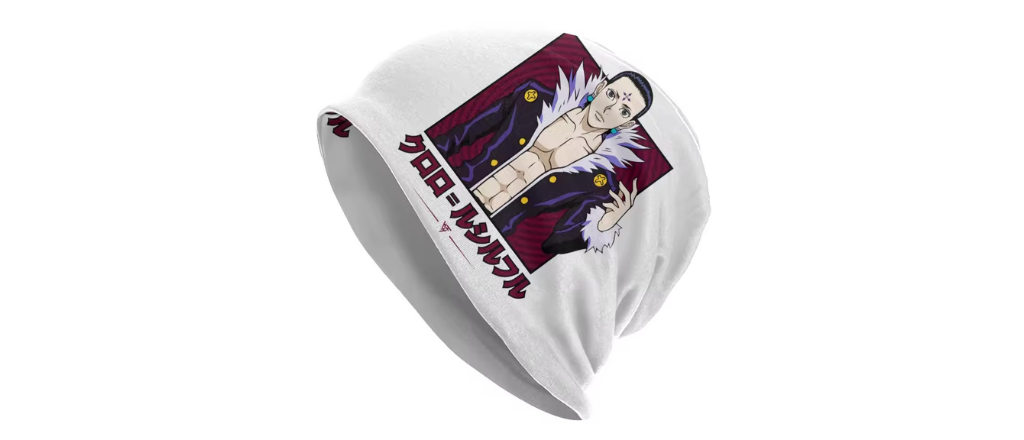
There are no true heroes or villains here. Hunter x Hunter forces viewers to confront uncomfortable questions: are humans more monstrous than the Ants? What justifies violence in the name of survival? Is there ever such a thing as a “clean” war?
Even the Phantom Troupe show up — not to antagonize, but to defend their home. You’re never quite sure who to root for, and that’s exactly the point. This kind of storytelling depth is rare in any genre, let alone in a shonen anime.
How This Arc Reshaped What Shonen Villains Could Be
This refusal to offer a clean moral framework didn’t stay confined to Hunter x Hunter. According to Anime Papa, the arc’s influence extends to later shonen hits like Demon Slayer and Jujutsu Kaisen, both of which lean into morally complex antagonists with detailed backstories rather than purely evil foes, with Meruem’s empathetic portrayal frequently cited as a direct precursor to that trend, as discussed in Anime Papa’s piece on the arc’s legacy. Whether or not those later series were directly inspired by Togashi, the Chimera Ant arc is consistently treated as the moment “the villain you understand and almost root for” stopped being a rare exception in shonen and started becoming an expectation.
A Debate That Still Defines Online Anime Discourse
Years later, the arc remains one of the most argued-about story arcs in shonen history. Comparative ranking threads across forums like Comic Vine and ResetEra regularly pit the Chimera Ant arc against war arcs from One Piece, Bleach, and Naruto, with no clear consensus ever emerging — a strong indicator that the moral ambiguity Togashi built into the story still resists easy, satisfying conclusions even for fans who’ve debated it for years.

Pacing as a Narrative Tool
Many criticize the Chimera Ant Arc for its slow pacing — but that’s part of its genius.
The long narration, the detailed internal monologues, the split-second breakdowns of actions — they all create a feeling of time stretching under pressure, like in a real battle. The final raid on the palace is told almost frame by frame, turning minutes into episodes and drawing out the tension.
It’s a bold creative choice, and one that allows emotional beats to land with crushing weight.
The Narrator as an Unconventional Storytelling Device
One of the arc’s most divisive choices is its heavy reliance on an omniscient narrator during the palace invasion sequence, walking through internal thoughts and strategic calculations in real time. Some fans single this out as one of their favorite aspects of the arc precisely because it mirrors the manga’s own use of dense captions; others, as seen across fan discussions, feel it actively undercuts the tension of what should be a fast-paced action sequence. This kind of genuinely split reaction to a single stylistic choice is rare, and it’s part of why the arc continues to generate fresh discussion even years after it concluded.
Why Slowness Reads Differently on Rewatch
Anecdotally, this is one of the more common shifts fans report after a second viewing: pacing that feels frustrating on a first watch — when the priority is simply finding out what happens next — tends to land very differently once the outcome is already known and the focus shifts to how each moment is constructed. That gap between first-watch frustration and rewatch appreciation is unusually wide for this arc, which is likely why it continues to top “rewatch value” discussions among long-time fans.
Final Thoughts
The Chimera Ant Arc is not for casual viewing. It’s challenging, emotional, morally complex, and often brutal. But that’s exactly what makes it so extraordinary.
In a medium where arcs often serve as mere stepping stones to the next power-up or villain, the Chimera Ant Arc chooses to be a complete story about the human condition. It holds a mirror up to us all — our flaws, our hopes, our cruelty, our love.
And in doing so, it didn’t just elevate Hunter x Hunter — it shifted what audiences and creators alike now expect from a “great” shonen arc, setting a bar that modern series are still measured against more than a decade later.