
 Canada
 USA
USA Japan
Japan
Ranking the Most Intense Battles in Hunter x Hunter (And Why They Matter)

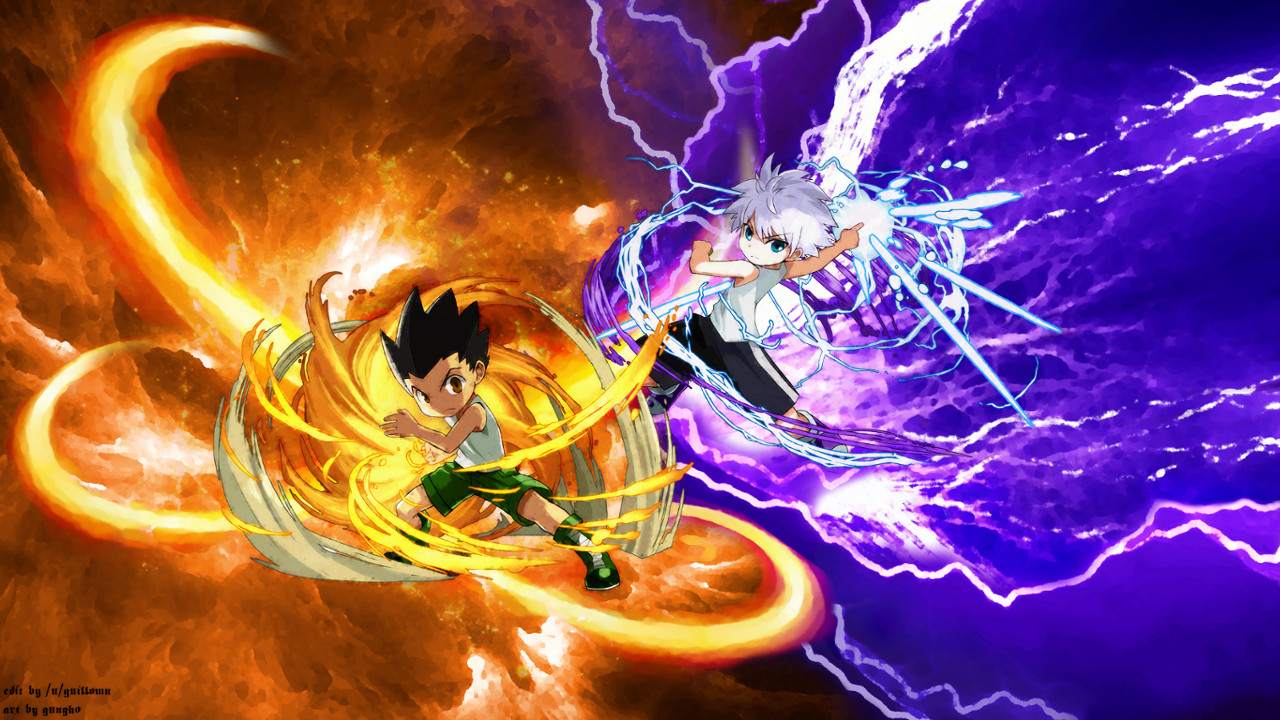
If there’s one thing Hunter x Hunter does better than almost any other anime, it’s crafting battles that are more than just flashy fights — they’re deeply emotional, strategic, and packed with character development. Togashi doesn’t just show power; he shows what that power costs, and how it shapes the people who wield it.
Below, we’re ranking some of the most intense and unforgettable battles in Hunter x Hunter, not just for their action, but for what they reveal about the characters, their growth, and the stakes of their world.
Gon vs. Neferpitou
Arc: Chimera Ant Arc Why it matters: This is arguably the emotional climax of the series. Gon, consumed by grief and rage over Kite’s death, sacrifices his body and future to unleash overwhelming power.
What makes it intense:
- The sheer transformation of Gon — from hopeful boy to vengeance-driven force of destruction.
- The eerie silence and raw anger make the scene chilling.
- It’s a tragic moment disguised as victory. You’re not cheering; you’re watching a breakdown.
Emotional Weight: 10/10 | Strategic Complexity: 7/10 | Narrative Impact: 10/10
Why This Fight Barely Feels Like a Fight at All
What separates this confrontation from every other major battle on this list is how little it actually resembles combat. Gon doesn’t out-strategize Pitou or land a clever counter — he simply overwhelms and dismantles, and the lack of tactical back-and-forth is precisely the point. Togashi strips away the usual shonen choreography to make the moment feel less like a victory and more like an act of self-destruction playing out in real time.
The Cost That Outlives the Fight Itself
Unlike most power-ups in the genre, Gon’s transformation here isn’t undone by the next arc. The Nen covenant he enters trades away his future growth as a Hunter, and the consequences linger across the rest of the series, directly setting up Killua’s desperate search for a way to save him afterward. Few fights in shonen anime carry consequences this permanent.
Netero vs. Meruem
Arc: Chimera Ant Arc Why it matters: This isn’t just a fight — it’s a philosophical debate between human will and evolved intellect. Netero, humanity’s strongest Hunter, faces Meruem, the perfect being, in a brutal and symbolic battle.
What makes it intense:
- Netero’s “Zero Hand” and the hidden bomb reveal his willingness to sacrifice everything.
- Meruem’s evolution into a being capable of empathy makes the ending even more tragic.
- The fight shows that strength isn’t always enough — and sometimes, it’s what’s behind the punch that matters.
Emotional Weight: 9/10 | Strategic Complexity: 8/10 | Narrative Impact: 10/10
Zero Hand as a Statement, Not Just a Technique
Netero’s Zero Hand is often remembered for its raw destructive output, but what makes it narratively significant is the price behind it: the technique demands such extreme physical sacrifice that using it is itself an admission that conventional strength has already failed. By the time Netero resorts to detonating the Poor Man’s Rose hidden inside his own body, the fight has stopped being about who’s stronger and started being about how far humanity is willing to go to survive.
A Victory That Doesn’t Feel Like One
What lingers about this battle isn’t the outcome but the tone surrounding it. Meruem dies from the resulting radiation poisoning, but his final scenes with Komugi make it clear that, by this point, he’s no longer the tyrant the Hunters set out to stop. Netero technically “wins,” but the fight is constructed so that no one watching feels like cheering.
Kurapika vs. Uvogin
Arc: Yorknew City Arc Why it matters: This is the first real glimpse of Kurapika’s terrifying power and the emotional burden he carries. It’s a revenge fight — precise, cold, and poetic.
What makes it intense:
- Kurapika isn’t just trying to win — he’s making a point.
- His chain abilities reflect his need for control and justice.
- Uvogin’s final moment adds weight, as he stays loyal to the Phantom Troupe even in death.
Emotional Weight: 8/10 | Strategic Complexity: 9/10 | Narrative Impact: 8/10
Chains That Mirror Kurapika’s Own Restraint
Kurapika’s Nen abilities are built almost entirely around chains and binding, which is hard to read as coincidence given his entire arc is about restraining his own rage long enough to act with precision instead of blind vengeance. Watching him methodically immobilize Uvogin — physically and emotionally controlled even as he’s consumed by hatred — makes this one of the most thematically tight fights in the series.
The Phantom Troupe’s First Real Loss
Beyond what it reveals about Kurapika, this fight matters because it’s the moment the Phantom Troupe’s apparent invincibility cracks for the first time. Uvogin’s death sets off the chain of events that defines the rest of the Yorknew City arc, as the remaining Spiders mobilize in a citywide manhunt for his killer, proving that even this feared group isn’t immune to consequences.
Killua vs. Rammot
Arc: Chimera Ant Arc Why it matters: This is less about physical combat and more about mental liberation. After years of being manipulated by his assassin family, Killua finally breaks free from the needle in his head — both literally and symbolically.
What makes it intense:
- It’s the moment Killua chooses to live for himself, not for fear.
- His sheer speed and cold fury are mesmerizing.
- The payoff is deeply personal for longtime fans of his arc.
Emotional Weight: 9/10 | Strategic Complexity: 6/10 | Narrative Impact: 9/10
A Fight Killua Wins Before It Even Starts
What’s compelling about this confrontation is that the real battle has already taken place internally before Killua even faces Rammot. Removing Illumi’s psychological conditioning is the actual climax; the physical fight that follows is almost a victory lap, a demonstration of what Killua can do now that fear is no longer steering his decisions for him.
Why Fans Point to This as Killua’s Defining Moment
Ask longtime fans to name the single scene that best represents Killua’s growth, and this fight comes up constantly. It’s not his strongest performance in terms of raw power, but it’s widely considered the moment he stops being defined by his family’s programming and starts acting purely on his own terms — which is exactly why it carries so much weight compared to flashier fights later in the series.

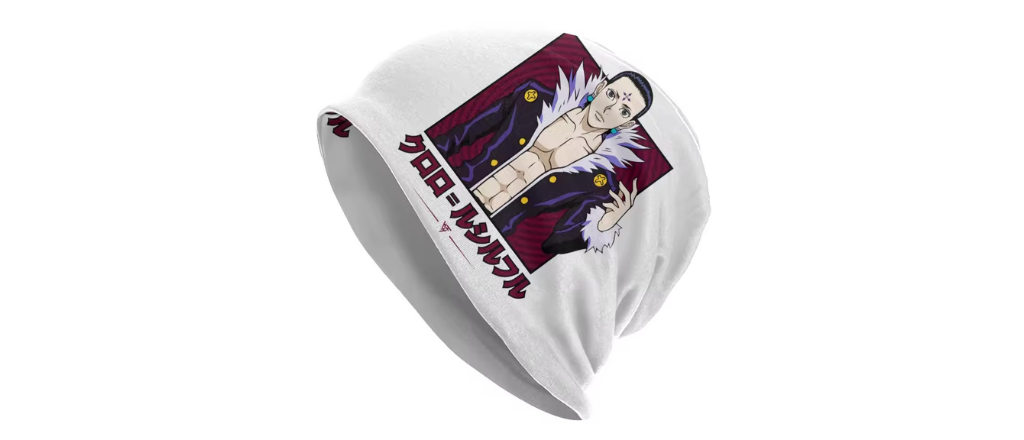
Hisoka vs. Chrollo
Arc: Succession Contest Arc Why it matters: Teased since the Yorknew City arc, this confrontation finally pays off one of the manga’s longest-running grudges — and the strategic complexity behind it is on a different level from almost anything else in the series.
What makes it intense:
- Chrollo’s use of multiple borrowed abilities — including ones taken from his own Phantom Troupe members — and full control of the battlefield itself.
- Hisoka’s confidence collapsing in real time as he realizes he walked into a trap built entirely around his own habits.
- The aftermath, which sends shockwaves through the rest of the Succession Contest arc.
Emotional Weight: 7/10 | Strategic Complexity: 10/10 | Narrative Impact: 9/10
A 16-Year Wait That Actually Paid Off
This fight is a rare example of a long-teased payoff that didn’t disappoint fans after the wait. According to Game Rant, the confrontation finally took place in chapter 351 of the manga — roughly 243 chapters, or about 16 years of real-world publication time, after Hisoka first promised Kurapika he’d be in Yorknew City to meet the Phantom Troupe, as detailed in Game Rant’s explainer on the fight. Very few manga rivalries are allowed to simmer for that long without losing their impact, which is part of why this particular fight is treated as such an event within the fandom.
Chrollo’s Win Says More Than a Simple Victory
According to ScreenRant’s breakdown of the fight, Chrollo ultimately defeats Hisoka by combining five separate Nen abilities — including ones borrowed from Phantom Troupe members Shalnark and Kortopi — to manipulate the Heavens Arena crowd into becoming an army of living bombs, as explained in ScreenRant’s analysis of who won the fight. It’s worth noting Hisoka doesn’t simply lose and disappear: he dies, briefly, then revives using his own Bungee Gum technique and immediately kills Shalnark and Kortopi in retaliation, a twist that reframes the entire fight as the opening move of an even longer conflict rather than a clean resolution.

Final Thoughts
The brilliance of Hunter x Hunter battles lies not just in who wins, but what’s at stake — mentally, emotionally, and spiritually. Every major fight is a turning point in someone’s journey. Whether it’s a burst of rage, a final stand, or a calculated trap, each clash leaves a lasting impact that ripples across the entire story.
So the next time someone says Hunter x Hunter is “just another shonen,” remind them: here, battles are never just about punches — they’re about principles, pain, and purpose.