
 Canada
 USA
USA Japan
Japan
What Is Hunter x Hunter About? The Complete Guide to One of Anime’s Greatest Series

If someone told you there’s an anime that starts with a cheerful twelve-year-old boy trying to become a professional adventurer and ends with some of the most philosophically complex, emotionally devastating, and genuinely disturbing storytelling in the history of the medium — you might not believe them. And yet, that is exactly what Hunter x Hunter is. It’s a series that earns the trust of its audience with warmth and adventure and then, gradually and deliberately, uses that trust to take you places that most mainstream entertainment doesn’t dare to go.
Whether you’ve been hearing the name for years and never quite got around to starting, or someone just recommended it to you with an intensity that made you slightly nervous, this guide will give you everything you need to understand what Hunter x Hunter is, why it matters, and why the people who love it tend to love it with a ferocity that borders on obsession.
Fair warning: this is a comprehensive guide, which means it goes deep. We’ll cover the premise, the major arcs, the characters, the power system, the themes, the author, the anime adaptations, and everything else that makes this series one of the most discussed and most respected in all of manga and anime. Let’s get into it.
The Basic Premise: What Is Hunter x Hunter?
Hunter x Hunter is a manga series written and illustrated by Yoshihiro Togashi, one of the most revered and notoriously unreliable mangaka in the industry (more on that later). It was first published in Weekly Shonen Jump magazine in 1998 and has continued — with significant, sometimes years-long hiatuses — to the present day. It has received two anime adaptations: a 62-episode series produced by Nippon Animation in 1999, and a 148-episode series produced by Madhouse that aired from 2011 to 2014. The 2011 adaptation is generally considered the definitive version and is the one most commonly recommended to new viewers.
The story centers on Gon Freecss, a twelve-year-old boy who has grown up on Whale Island believing his parents are dead. When he discovers that his father, Ging Freecss, is actually alive and is one of the world’s most famous Hunters, Gon decides to become a Hunter himself — both to find his father and to understand what could have been so important that Ging chose his career over his own child.
In the world of Hunter x Hunter, a Hunter is a licensed professional who has passed an extraordinarily difficult certification exam. Hunters have access to a vast range of privileges — they can travel freely, access restricted areas, receive institutional support, and in some cases are allowed to kill — and they specialize in fields ranging from wildlife research to treasure hunting to bounty hunting to cooking. The Hunters Association is the governing body of this profession, and its leader, a man named Netero, is one of the most powerful human beings alive.
What Makes It Different From Other Shonen Series
The first thing that distinguishes Hunter x Hunter from the vast majority of shonen manga and anime is the gap between its surface appearance and its actual content. On the surface, it looks like a fairly standard shonen adventure: bright art style, young protagonist, a quest to become the best, a system of magical powers that characters use to fight. These surface characteristics are real, and they make the series genuinely accessible and entertaining for younger audiences.
But beneath that surface, Hunter x Hunter is doing something much more ambitious and much darker than its shonen contemporaries. Togashi uses the conventional structures of the genre as a vehicle for storytelling that engages with moral philosophy, the psychology of violence, the ethics of power, the nature of evil, and the specific terror of encountering something genuinely alien and incomprehensible. The series repeatedly takes situations that look like standard shonen tournament or adventure scenarios and then reveals that you were looking at them from completely the wrong angle.
This gap — between what the series appears to be and what it actually is — is one of the great pleasures and occasional discomforts of engaging with it. Characters who seem like colorful villains turn out to be the most complex people in the story. Heroes make decisions that are morally indefensible. Power systems that initially appear to be straightforward turn out to be deeply weird and philosophically loaded. And the author seems to take genuine pleasure in subverting your expectations at every turn.
The Role of the Author: Yoshihiro Togashi
You cannot discuss Hunter x Hunter without discussing its creator, Yoshihiro Togashi, because the series is inseparable from the extraordinary and troubled context of its production. Togashi is also the creator of Yu Yu Hakusho, which ran in the 1990s and is itself considered one of the great shonen manga of its era. After completing that series, he married the creator of Sailor Moon, Naoko Takeuchi, and began work on Hunter x Hunter.
The series has been plagued by hiatuses throughout its existence. Togashi has cited chronic back pain and other health issues as the primary reasons for the breaks, and the manga’s production schedule has been spectacularly irregular — sometimes going years without a new chapter, sometimes returning for brief runs of rapid publication before going dark again. At various points, the Hunter x Hunter manga has been on hiatus for so long that many fans genuinely wondered whether it would ever resume.
Despite all of this — or perhaps because of it — the chapters that do get published are consistently praised as among the best work being produced in the medium. When Togashi is writing and drawing Hunter x Hunter, there is a sense that he is operating without the typical commercial constraints that shape most manga, telling exactly the story he wants to tell with complete disregard for conventional expectations. The result is a series that is genuinely unlike anything else.
The Major Arcs: A Journey Through Increasingly Dark Territory
Hunter x Hunter is organized into several major story arcs, each of which represents a distinct phase of Gon’s journey and each of which escalates both the stakes and the thematic ambition of the series. Understanding these arcs is essential to understanding what the series is and how it evolves. One of the most remarkable things about the arc structure is how deliberately Togashi uses each phase to recontextualize what came before — the cheerful adventure of the Hunter Exam looks very different when you’ve experienced the Chimera Ant arc, and moments that seemed minor or incidental in the early chapters reveal themselves to be part of a design that was always more complex than it initially appeared.
The early arcs — the Hunter Exam and Zoldyck Family arcs — are primarily introductory. They establish the world, introduce the main cast, and set up the premise. The Hunter Exam arc is particularly effective at world-building: it introduces dozens of candidates for the exam, each with their own specialization and agenda, and uses the exam itself as a vehicle for showing the reader how strange and varied the world of professional Hunters can be. The Zoldyck Family arc that follows is relatively short but crucial: it introduces the family that produced Killua and establishes the specific horror of his upbringing in a way that resonates throughout everything that follows. Seeing the environment that shaped him — the electrified gates, the butler corps, the parents who treat their children as products to be cultivated for professional effectiveness — makes Killua’s subsequent warmth and capacity for friendship genuinely surprising and moving.
As the series progresses through the Heavens Arena arc, the Yorknew City arc, and the extraordinary Chimera Ant arc, the tone shifts progressively darker and more complex, the power system deepens into something philosophically interesting, and the characters develop in ways that consistently subvert expectations. The Heavens Arena arc in particular deserves mention as the place where Nen is properly introduced and taught — it functions as a tutorial for the power system, but in the best possible way, embedding the mechanics in character development and competitive drama rather than dry exposition. The final completed arc, The 13th Hunter Chairman Election, and the ongoing Succession War arc push the series into territory that is genuinely unlike anything else in mainstream manga.
The Hunter Exam Arc: Learning the Rules
The Hunter Exam arc serves as the series’ introduction to its world and characters, and it does this job with considerable skill. Gon arrives to take the exam and quickly meets the three characters who will form his core group: Killua Zoldyck, an assassin from a family of professional killers who is roughly his age; Leorio, an older teenager who wants to become a doctor; and Kurapika, the last surviving member of the Kurta Clan, whose distinctive scarlet eyes were harvested and sold by a notorious group of thieves called the Phantom Troupe.
The exam itself is a series of increasingly bizarre and dangerous tests, and the arc functions as a showcase for the world’s variety. We meet characters who will reappear later — including Hisoka, one of the series’ most memorable and deeply unsettling figures — and we see the range of motivations that bring people to the Hunter exam. Some want freedom. Some want power. Some want money. Some, like Kurapika, want revenge. The exam arc establishes that in the world of Hunter x Hunter, becoming a Hunter is not a universally noble aspiration — it’s a tool that different people use for wildly different purposes.
The arc also begins to establish one of the series’ most important thematic preoccupations: the complexity of moral judgment in a world where power is the primary currency. The exam includes killing, betrayal, and decisions that would be straightforwardly condemned in most contexts but are treated here with a moral ambiguity that becomes increasingly central to the series as it develops.
The Yorknew City Arc: Where the Darkness Begins
The Yorknew City arc is widely considered the point where Hunter x Hunter reveals its true nature — where the series transitions from an excellent adventure story into something genuinely extraordinary. This arc centers on Kurapika’s quest for revenge against the Phantom Troupe, the thieves who massacred his clan, and it introduces the Phantom Troupe themselves as one of the most fascinating groups of characters in the series.
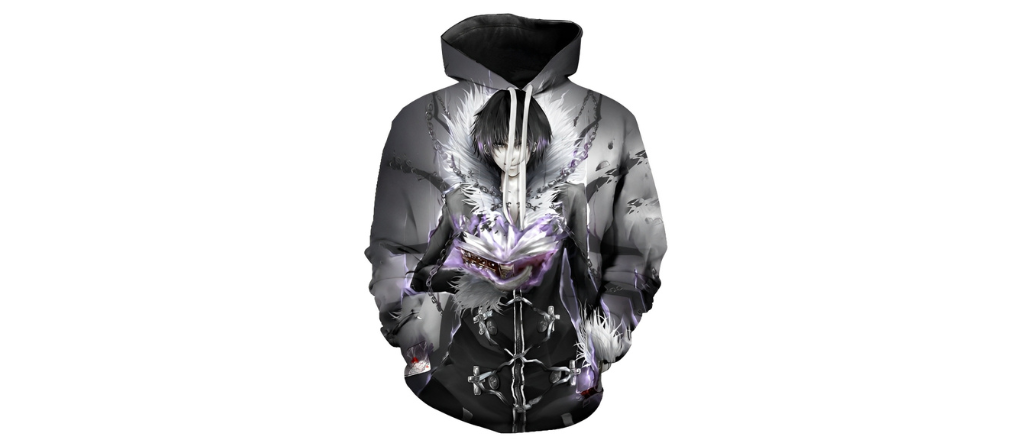
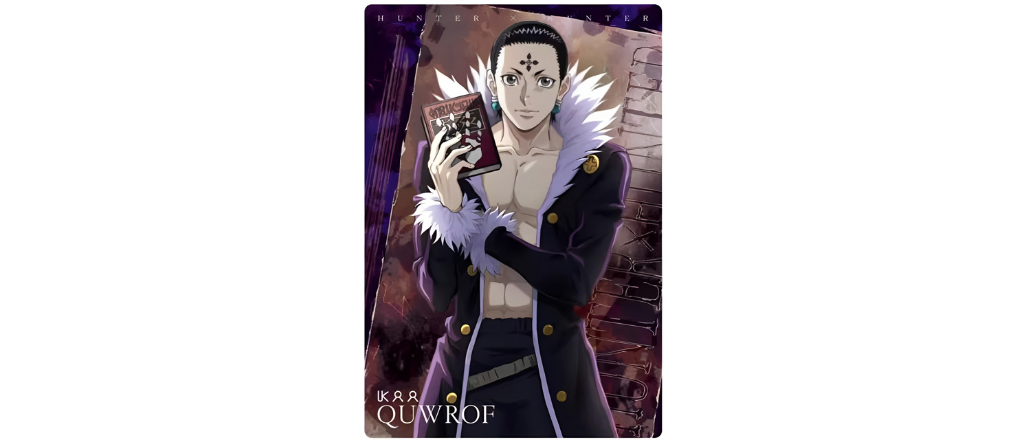
What makes this arc remarkable is the way it handles the Troupe. They are the villains — objectively, they have committed atrocities that the story does not minimize or excuse. But Togashi develops them as fully realized people with their own internal logic, their own loyalties, their own codes, their own moments of genuine humanity. The leader, Chrollo Lucilfer, is one of the most charismatic and intellectually interesting antagonists in all of shonen manga. The bond between the Troupe members is portrayed as genuine and deep, even as their actions are monstrous.
The result is an arc that refuses to let you simply hate the villains, and which forces you to examine your own response to the question of how to evaluate people who are deeply terrible by any objective moral standard but who are also clearly, genuinely human. This is Togashi using the conventions of shonen manga — the villain arc, the revenge quest — to do something philosophically serious.
The Chimera Ant Arc: The Series at Its Most Ambitious
The Chimera Ant arc is the longest arc in the series and the most discussed, analyzed, and debated. It is also, by almost universal critical consensus, one of the greatest extended story arcs in the history of manga. Understanding why requires understanding both what happens in the arc and what it’s about at a thematic level — and these two things are not always the same.
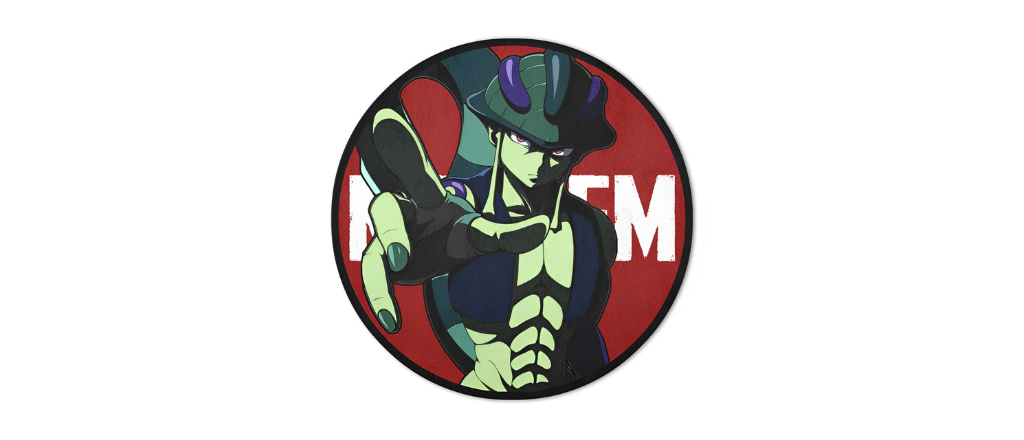
In plot terms: Chimera Ants are a species that can incorporate the genetic characteristics of whatever they consume into their offspring. When a queen Chimera Ant begins consuming humans, a new generation of ants is born with human intelligence and extraordinary physical abilities. The most powerful of these, Meruem, is arguably the most powerful individual character introduced in the series, and the arc largely concerns the conflict between these new ants and the Hunters Association, culminating in a catastrophic confrontation.
What the arc is actually about is considerably harder to summarize. It’s about what separates humans from other species — and whether that separation is as clear as we assume. It’s about the nature of power and what power does to consciousness. It’s about whether empathy and connection can emerge in beings who were not designed for them. And in its final movements, in the devastating relationship between Meruem and a young blind girl named Komugi, it becomes something genuinely profound about what it means to be alive, what it means to matter to someone, and what is lost when remarkable consciousness is extinguished from the world.
The Chimera Ant arc is long, demanding, and at times deliberately difficult. It is also the kind of storytelling that stays with you for years.
The Power System: Nen and Why It Matters
Nen is the power system of Hunter x Hunter, and it deserves its own extended discussion because it’s one of the most original, most well-designed, and most philosophically interesting power systems in the history of the genre. Understanding Nen is essential to understanding what makes the series’ fights so compelling and why they feel so different from the fights in other shonen anime.
Nen is described as the ability to manipulate your own life energy (called “aura”). Every living being generates aura, but most people are not aware of it and cannot use it. Learning to control and use aura is a skill that takes years of training to master, and the difference in ability between an expert and a novice can be effectively infinite. The Hunter exam tests, among other things, whether candidates have the potential to learn Nen — not whether they can already use it.
The fundamental distinction in Nen is between the four major categories of use: Ten (maintaining aura around your body), Zetsu (suppressing aura entirely), Ren (amplifying aura output), and Hatsu (using aura to create special abilities). These basic disciplines can be learned by anyone with Nen potential, and mastering them to sufficient depth is itself a significant achievement.
The Six Nen Types
Above the basic disciplines, each Nen user has a natural affinity for one of six types of aura use: Enhancer, Emitter, Transmuter, Conjurer, Manipulator, or Specialist. These types aren’t just mechanical classifications — Togashi has been explicit that he designed them to reflect personality types, and the correlation between a character’s Nen type and their actual personality is one of the more elegant pieces of world-building in the series. This design choice means that the power system is simultaneously a personality profiling system — knowing someone’s Nen type gives you real information about who they are, not just what they can do.
Enhancers — who amplify the natural abilities of themselves or objects — tend to be simple, direct, and resolute. Gon is an Enhancer, and this tracks precisely: he’s the most straightforward person in the main cast, someone who commits completely and directly to whatever he decides to do. His Nen ability, when fully developed, is a raw, devastating amplification of his own physical power — exactly what you’d expect from someone whose defining characteristic is pure, absolute commitment.
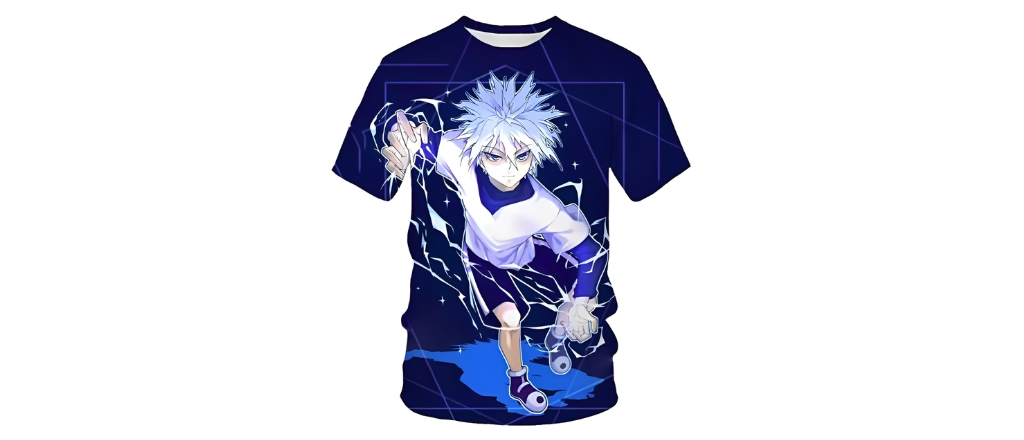
Transmuters — who can change the properties of their aura to mimic other substances or phenomena — tend to be moody, fickle, and complicated. Killua is a Transmuter, and this also tracks: he’s the most emotionally complex member of the main group, someone who hides depth beneath a surface of casualness. His Nen ability, which transforms his aura into electricity, is elegant and unpredictable — again, exactly what you’d expect from someone who manages to be simultaneously terrifying and genuinely warm.
Manipulators — who can control other people or objects with their aura — tend to be logical, calm, and single-mindedly goal-oriented. Kurapika is a Specialist in practice, but his personality reflects Manipulator traits: someone who has subordinated everything to a single purpose. Conjurers, who create objects from aura, tend to be neurotic and detail-oriented. Emitters, who project aura at a distance, tend to be impatient and short-tempered. Specialists don’t fit neatly into any category — and the most notable Specialists in the series are, indeed, characters who defy easy categorization.
Limitations and the Philosophy of Nen
What truly sets Nen apart from other power systems is the concept of vows and limitations. In Nen, a practitioner can dramatically increase the power of their abilities by imposing restrictions on their use — and the more severe and personally meaningful the restriction, the greater the power boost. This creates a system where the most powerful Nen abilities in the series are also the ones that require the most dramatic personal sacrifices.
This mechanic has deep implications that Togashi explores throughout the series. It means that in the world of Hunter x Hunter, conviction and commitment are directly translated into power — not in the vague, inspirational sense common to many shonen series, but in a literal, measurable, mechanical sense. A person who is willing to stake everything on an ability is more powerful than one who isn’t. This system rewards extremism, and the most fearsome Nen users in the series are often those who have made vows that most people would consider insane.
Kurapika’s Nen system is the most striking example of this principle in the main cast. His abilities, limited to use against members of the Phantom Troupe only, are among the most powerful in the series — but they come at the cost of his own life if misused. The limitation is so severe because his conviction is so total. This is a genuinely interesting philosophical point encoded directly into the mechanics of the power system.

The Main Characters: Who They Are and Why They Matter
The character work in Hunter x Hunter is one of its greatest strengths, and understanding the main cast is essential to appreciating why so many viewers find the series emotionally affecting well beyond their expectation. These are not simple archetypes — they’re fully realized people with histories, contradictions, and trajectories that develop in ways that consistently surprise and move you.
Gon Freecss is the nominal protagonist, and he’s one of the more interesting takes on the shonen hero archetype. On the surface, he seems straightforward: energetic, optimistic, determined, naturally gifted. But Togashi uses Gon’s essential nature — his directness, his inability to understand or accept certain forms of complexity — as both his greatest strength and the source of some of the series’ most disturbing moments. Gon’s inability to process moral complexity the way other characters do is sometimes admirable and sometimes genuinely alarming. He is a protagonist who is occasionally frightening, and who forces you to question your automatic assumption that the story’s main character is automatically the moral center of the narrative.
Killua Zoldyck is, for many fans, the most beloved character in the series, and for good reason. He is a child who has been raised since birth to be an assassin — trained in torture, killing, and the suppression of all normal emotional responses. His friendship with Gon is the relationship at the emotional core of the story, and watching him navigate the dissonance between his upbringing and the human connection he’s discovered is one of the most affecting things the series does. Killua’s arc is fundamentally about self-worth — about whether someone who has been taught that they are only valuable as a tool can come to believe they deserve to exist for their own sake.
Kurapika, Leorio, and the Supporting Cast :
Kurapika begins as a fairly familiar revenge-driven character type, but the series does something genuinely interesting with him over time: it shows the costs of total dedication to a single purpose. Kurapika is brilliant, capable, and ultimately deeply isolated — every relationship he forms exists in the shadow of his commitment to his clan’s eyes. He is not a tragic character in a melodramatic sense, but there’s a real sadness to the way his capacity for connection has been subordinated to his mission.
Leorio is often underutilized relative to the other three in the early-to-mid arcs, but his character — the least superpowered of the group, whose dream is simply to become a doctor so that medicine will be available to people without money — provides an important humanizing anchor for the series. His emotional directness and his essentially decent, uncompromised values serve as a counterpoint to the moral complexity that surrounds everyone else.
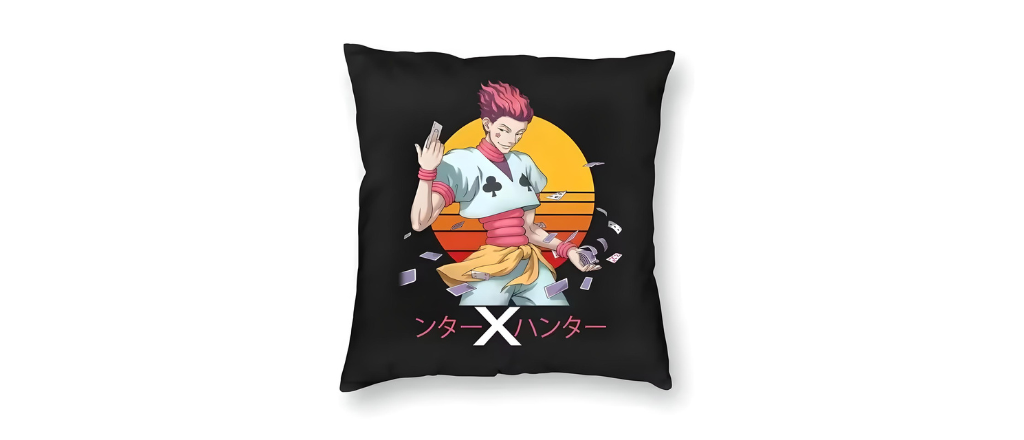
The supporting cast of Hunter x Hunter is extraordinary even by the standards of series known for their secondary characters. Hisoka — a magician-themed Nen user with a deeply unsettling fixation on fighting strong opponents — is one of the most original villain-adjacent figures in the medium: threatening, unpredictable, and genuinely funny in ways that somehow don’t undercut his menace. The members of the Phantom Troupe, the Zoldyck family, and the various figures encountered in the Chimera Ant arc are all developed with a care and complexity that would be remarkable in any medium.

Themes: What Hunter x Hunter Is Really About
The most interesting thing about Hunter x Hunter is not what happens in it but what it’s trying to say — and it’s trying to say a remarkable number of things across its various arcs and storylines. This thematic ambition is what separates the series from other excellent shonen properties — there are many shonen manga with great characters, great fights, and great world-building, but very few that are simultaneously trying to work through genuinely difficult philosophical and moral questions in ways that don’t simplify or sentimentalize them. Togashi writes as if he takes the medium seriously as a vehicle for ideas, and the audience it deserves is one that takes it seriously in return.
The nature of “humanity” is probably the series’ central preoccupation. This theme appears most explicitly in the Chimera Ant arc, where beings with human intelligence but non-human origin force the question of what defines humanity — whether it’s biology, behavior, consciousness, or the capacity for empathy. But the theme appears across the entire series, in the examination of assassins, in the question of whether extreme power removes you from normal human experience, and in the various characters who exist at the margins of what we normally consider human behavior. What makes the series’ treatment of this theme so effective is that it never arrives at a clean answer. Meruem is not redeemed, and he is not simply a monster. The ants are not simply humans with different origins. The series maintains genuine ambiguity in a way that forces the reader to keep thinking rather than settling into the comfort of a resolved position.
The relationship between power and corruption is another constant presence. Hunter x Hunter is deeply suspicious of power in all its forms — it shows us again and again that the people and institutions at the top of the hierarchy of power are not simply the strongest but often the most compromised, the most extreme, and the most willing to cause harm in pursuit of their objectives. The Hunters Association is nominally a force for order in the world, but the series is consistently skeptical about whether any institution of that kind can maintain genuine ethical integrity. Netero, its chairman, is presented as one of the most powerful and in many ways admirable figures in the series — and also as someone who makes choices of catastrophic moral weight that the narrative does not excuse simply because he made them.
The Ethics of Violence and the Problem of Hatred
One of the most sophisticated things Hunter x Hunter does is take violence seriously — not in the sense of making it graphically intense (though it can be both), but in the sense of examining its ethics, its psychological effects, and its relationship to the people who use it.
Characters like Killua and Kurapika are defined by their relationship to violence — one trained for it since childhood, one drawn to it by grief and rage — and the series does not let either of them off the hook morally. Killua’s transformation across the series is partly about finding a reason to exist beyond the capacity to kill; Kurapika’s single-minded pursuit of revenge is portrayed with sympathy but also with a clear-eyed acknowledgment of what it costs him.
The most radical statement the series makes about violence and hatred comes in the Chimera Ant arc, in the relationship between Meruem and Komugi. Meruem is, by any reasonable standard, a being capable of extraordinary violence who has committed horrific acts. And yet his relationship with this small, blind girl who beats him at a board game — the first person who has ever beaten him at anything — is one of the most tender and genuinely moving things in the series. Togashi uses this relationship to ask whether the capacity for connection, for something like love, can coexist with the capacity for extraordinary cruelty — and the answer he gives is complicated and devastating.
The Question of Parental Abandonment
There is a personal dimension to Hunter x Hunter that fans have long speculated about: the recurring theme of parental abandonment and its effects on children. Gon’s central motivation is the search for a father who chose his career over his son. Killua’s family is a horror show of parental expectation and emotional manipulation. Kurapika’s entire arc is set in motion by the murder of his family. Palm, Kite, and various other characters have formative losses or abandonments at the center of their stories.
Togashi has never explicitly addressed how much autobiography informs this theme, but the consistency with which it appears across the series — and the depth with which it’s explored — suggests that it connects to something that matters profoundly to him personally. Whatever the source, the result is a series that treats the wounds left by inadequate or absent parents with a seriousness and a specificity that gives the emotional arcs an unusual resonance.
The 2011 Anime Adaptation: Why It’s the Recommended Version
The 2011 Hunter x Hunter anime, produced by Madhouse and directed by Hiroshi Koujina, is almost universally recommended over the 1999 adaptation as the version for new viewers to start with. Understanding why helps explain what makes it a particularly successful adaptation.
The 2011 version covers more of the manga — including the entire Chimera Ant arc, which the 1999 version did not — and does so with consistently high production quality that was exceptional for its time and still holds up well today. The animation in combat sequences is particularly impressive, with the fights receiving the kind of careful choreographic attention that makes the mechanics of Nen come alive visually in ways that pure reading sometimes cannot achieve.
The voice cast for the Japanese version is widely praised, with Megumi Han and Mariya Ise delivering performances as Gon and Killua respectively that have become iconic within the anime community. The English dub, produced by Viz Media, is also considered above average for the genre, making it a reasonable option for viewers who prefer dubbed content.
Pacing and Adaptation Choices
One aspect of the 2011 adaptation that generates discussion is its pacing during certain arcs. The Chimera Ant arc in particular was adapted at a pace that some viewers found slow — covering material from the manga that is being read in a few hours of reading across many hours of watching. The extended pacing allows the adaptation to add atmosphere, develop scenes, and build tension in ways that work beautifully for some viewers and test the patience of others.
The decision to include extended narrator commentary during the Chimera Ant arc is another notable choice. Unlike most shonen anime, where narration is used sparingly, the 2011 Hunter x Hunter uses narration extensively in its later arcs — sometimes providing context, sometimes adding philosophical commentary, sometimes pulling back from the immediate action to offer a broader perspective on what’s happening. This technique has precedents in literary fiction (think the narrative voice of a novel) but is unusual in anime, and it contributes significantly to the distinctive atmosphere of the Chimera Ant arc.
The Soundtrack and Aesthetic
The soundtrack of the 2011 anime, composed by Yoshihisa Hirano and Masashi Hamauzu, is one of the best in anime history and contributes enormously to the series’ impact. The music ranges from energetic and adventurous in the early arcs to increasingly sparse, minimalist, and unsettling as the series progresses into darker territory. The final movements of the Chimera Ant arc in particular are accompanied by music that is genuinely haunting — music that stays in the memory long after the visuals have faded.
The opening themes — “Departure!” in various versions by Masatoshi Ono — have become some of the most recognized pieces of anime music among fans of the medium. The recurring use of variations on this theme across different arcs, with the tone shifting to reflect the current emotional register of the story, is a detail that rewards attentive listening.
The Manga: Where to Go After the Anime
For viewers who finish the 2011 anime and want more, the path forward is the manga — specifically the chapters following the 13th Hunter Chairman Election arc, which is approximately where the anime ends. The manga continues with the Succession War arc, which is set primarily aboard a massive ship called the Kakin Succession Line and concerns a succession struggle among the many children of a Kakin Empire king. This arc represents Togashi operating in a mode that is even more ambitious than anything that preceded it — introducing a large cast of new characters with their own Nen abilities and political agendas while simultaneously continuing the development of established characters within a genuinely complex political thriller framework.
The Succession War arc is, as of current publication, the ongoing story — and it is also the arc most affected by Togashi’s notorious hiatuses. Chapters have appeared at irregular intervals, sometimes with gaps of years, and the arc is proceeding at a density of plotting and world-building that suggests Togashi is working at the outer limits of what the manga format can contain. Each new chapter tends to generate extensive analysis and discussion in the fan community, precisely because each one contains more ideas and implications than most manga produce in a dozen chapters. The return of the manga after extended absences has become a genuine event in online anime and manga communities — announcements of new chapters generate the kind of excitement usually reserved for major film releases.
Reading the manga requires some adjustment for anime-only viewers. Togashi’s art is famously inconsistent — at its best, it’s expressive and distinctive; at other points, particularly during his health struggles, it can appear rough or sketchy in ways that distract from the storytelling. Most fans who have engaged with both mediums develop an appreciation for the manga’s artistic idiosyncrasies as part of its character, but it’s worth being prepared for an aesthetic experience different from the polished animation of the 2011 anime. Some of the most discussed chapters in terms of content are among the least polished visually, which creates a reading experience where you’re sometimes parsing rough sketches to find extraordinary storytelling — a genuinely unique dynamic that is part of what makes engaging with the Hunter x Hunter manga such a distinctive experience.
The Hiatus Situation and What It Means for Fans:
The hiatus situation is something every Hunter x Hunter fan eventually has to make peace with. Togashi’s health problems are real and documented, and the production pace of the manga reflects genuine physical limitation rather than commercial calculation. Most long-term fans have developed a kind of philosophical acceptance — appreciating each new chapter as a gift while not knowing when or whether the next one will arrive.
This acceptance is also, in a way, the series’ most extreme test of its fans’ commitment. You cannot engage with Hunter x Hunter as an ongoing story with the casual expectation that it will continue at a predictable pace. You have to be willing to exist in a relationship of uncertainty with an incomplete story — which is, perhaps, an appropriate posture for engaging with a series that is fundamentally about the discomfort of not knowing what’s going to happen next.

Why Hunter x Hunter Has Lasted: The Case for Its Greatness
The question of why Hunter x Hunter has maintained its reputation as one of the greatest anime and manga series of all time — despite a sporadic publication schedule, an unfinished status, and a creator whose health has made consistent output impossible — is worth examining directly. The conventional logic of the entertainment industry suggests that a product with this many interruptions, this much uncertainty, and this much remaining story to resolve should have lost its audience long ago. The fact that it hasn’t — that new viewers discover it constantly, that existing fans maintain their engagement with the same intensity across years of waiting — speaks to something that goes beyond normal franchise loyalty.
The answer has several components. First, the sheer quality of the storytelling during its operational periods is simply unlike almost anything else in the medium. When Togashi is writing at full capacity, the density of ideas, the sophistication of the character work, and the ambition of the thematic engagement are extraordinary. The Chimera Ant arc alone, even if nothing else had ever been produced, would be sufficient to establish Hunter x Hunter as a significant work. The fact that it’s preceded by several arcs that are themselves among the best in the genre, and followed by an ongoing arc that continues to push the series’ ambitions further, makes the full body of work something genuinely rare in any medium — sustained quality at the frontier of what the form can do.
Second, the series has an unusual capacity for rewarding re-engagement. Viewers who return to the early arcs after experiencing the later ones discover foreshadowing, thematic threads, and character nuances that weren’t visible on first viewing. Gon’s nature — which first appears as simple and admirable — reads very differently when you know where his story goes. The early Phantom Troupe scenes carry more weight when you understand the full scope of what that organization represents. This kind of depth — where the work genuinely rewards close attention and return engagement — is the hallmark of serious creative ambition, and it’s what distinguishes Hunter x Hunter from the many excellent series that provide a great single experience but not much incentive for return.
The Fan Community and the Culture Around the Series
The Hunter x Hunter fan community is one of the most analytically engaged in all of anime fandom. Because the series rewards close reading and contains genuine philosophical complexity, the discussions that happen around it tend to be more substantive than typical anime fandom discourse. There are dedicated wikis with extraordinary depth, analysis threads that would be at home in academic contexts, and a collective investment in understanding exactly what Togashi is doing and why that generates some of the most interesting fan discussion in the medium. The community’s relationship to the hiatus situation is itself a cultural phenomenon — there are fans who have been waiting for new manga chapters for years, maintaining their engagement through discussion, fan creation, and the shared experience of anticipation that has become, in a strange way, part of what it means to be a Hunter x Hunter fan.
The series also has an unusual relationship with its own fandom around the character of Hisoka, who has become a fan favorite of considerable intensity — intensity that is itself an interesting cultural phenomenon, given that Hisoka is genuinely menacing and not easily reducible to a sympathetic figure. The fan community’s relationship with this character says something interesting about how complex, dangerous characters can become objects of deep attachment when they’re written with sufficient skill and originality. Hisoka is threatening in a way that goes beyond physical danger — there’s something fundamentally unsettling about him that good writing maintains consistently, and yet he is also genuinely compelling and, in certain moments, unexpectedly funny. This combination is rare and difficult to achieve, and the fan community’s intense engagement with him is a testament to how well Togashi manages the balance.
Hunter x Hunter vs. Other “Big Three” Shonen Series
Hunter x Hunter is sometimes discussed in relation to the “Big Three” shonen series of the 2000s — Naruto, One Piece, and Bleach — and its relationship to that cultural moment is interesting. Unlike those three, Hunter x Hunter was never a dominant commercial phenomenon to the same degree, in part because of the hiatus problem but also because its storytelling is simply harder and darker than what the mainstream audience typically seeks out. Naruto and One Piece are accessible, emotionally generous series that reward casual engagement as much as deep investment. Hunter x Hunterrewards deep investment specifically — it’s possible to watch it casually and enjoy it, but the experience of fully engaging with what Togashi is doing is qualitatively different from and much richer than a surface reading.
But in critical reputation, particularly among viewers with significant engagement with the medium, Hunter x Hunterconsistently ranks at or near the top of lists of the greatest anime and manga series ever produced. This disconnect between mainstream commercial dominance and critical/fan regard is itself interesting — it suggests that the series occupies a particular niche as an artist’s work rather than a commercial product, with all the intensity of appreciation that this kind of work tends to generate in its audience. The comparison most often drawn is with the difference between a blockbuster film and a critically acclaimed arthouse film — not that one is better entertainment, but that they are doing different things, measured by different standards, and that Hunter x Hunter happens to be doing the harder, more ambitious thing extraordinarily well.
Frequently Asked Questions About Hunter x Hunter
The questions that come up most frequently among people who are new to the series or considering starting it tend to cluster around a few key concerns. Here are the most common ones answered directly. These questions reflect real conversations happening constantly in fan communities, in recommendation threads, and in the discussions that happen when someone finishes the series and tries to articulate the experience to someone who hasn’t yet started it.
Is Hunter x Hunter Appropriate for Younger Viewers?
This is a question that comes up often and deserves a careful answer. The early arcs of Hunter x Hunter are fairly accessible — there’s violence, but it’s relatively restrained and contextualized within adventure conventions. As the series progresses, however, it becomes significantly darker and more disturbing, with the Chimera Ant arc in particular containing content that is genuinely harrowing. The series is rated for older teens and adults in most classification systems, and that rating is appropriate. Parents making decisions for younger children should be aware that the series’ content escalates substantially beyond what the first few episodes suggest.
Should I Watch the 1999 or 2011 Anime?
For virtually all new viewers, the 2011 adaptation is the correct choice. It covers more material, has better production quality, and represents the complete story as far as an anime adaptation goes. The 1999 adaptation has historical significance and some fans prefer its tone in certain arcs, but it’s generally a secondary recommendation for people who have already experienced the 2011 version.
How Long Is the Series and Where Does It End?
The 2011 anime runs for 148 episodes across approximately six years of in-universe story time. The manga, as of recent chapters, has surpassed 400 chapters and remains ongoing, albeit with significant gaps between publication runs. The series does not have a definitive ending at this time — the Succession War arc is ongoing in the manga, and no new anime adaptation covering this material has been announced.
Why Do People Love Killua So Much?
This comes up constantly, and the answer is genuine: Killua Zoldyck is an extraordinarily well-written character whose arc — from trained assassin unable to believe in his own worth to someone capable of genuine friendship and self-sacrifice — is one of the most moving in the series. His relationship with Gon provides the emotional heartbeat of the story’s first two-thirds. He is also, it should be noted, extremely funny in a way that provides necessary relief during some of the series’ darker passages. The combination of genuine emotional depth, dark history, dry humor, and remarkable capability makes him an unusually complete character. There is also something specifically resonant about a character who has been taught their entire life that they exist only to serve a function — only to be the best possible assassin — discovering that they can exist for their own sake, that they deserve connection and care and the simple experience of being someone’s friend. This arc, played out across hundreds of episodes with genuine development and patience, is among the most emotionally satisfying things the series produces.
Is It Worth Starting If the Manga Is on Hiatus?
Absolutely. The 2011 anime offers a complete and deeply satisfying story experience despite not reaching a definitive conclusion. Many fans have engaged with it primarily as an anime-only experience and found it among the most powerful things they’ve watched. The manga hiatus affects the experience of ongoing serialization but does not diminish what has already been produced. If you wait for Hunter x Hunter to be finished before you start, you may wait a very long time — and the story that exists is extraordinary enough to be worth engaging with in its current state. The Chimera Ant arc alone — which is fully animated and available right now — is one of the most complete and emotionally satisfying extended story arcs in the history of anime, with a beginning, a middle, and an ending that achieves genuine catharsis. You do not need a finished series to have a finished experience with Hunter x Hunter. What exists already is more than enough to justify every minute of the time you invest in it.
Conclusion: Why You Should Watch Hunter x Hunter
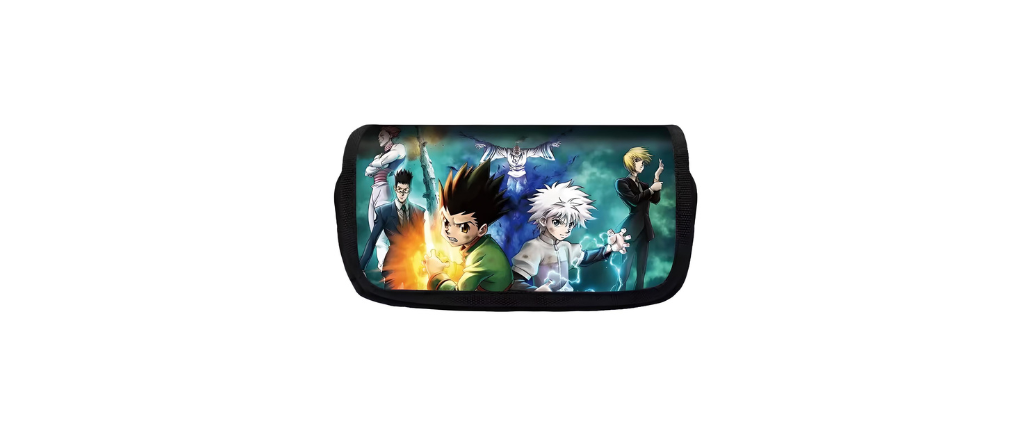
If you came to this article wondering what Hunter x Hunter is about and whether it’s worth your time, here is the honest answer: it is one of the most ambitious, most rewarding, and most singular works in the history of anime and manga. It will make you laugh, and it will devastate you. It will make you think about things that most mainstream entertainment doesn’t touch. It will give you characters that you will genuinely care about in a way that’s hard to explain to people who haven’t experienced it. And at its absolute best — in the Yorknew City arc, in the depths of the Chimera Ant arc, in the relationship between Gon and Killua — it achieves something that the medium is capable of at its highest level: a combination of entertainment, emotional impact, and genuine ideas that you won’t find in many other places.
The warnings are real: it’s dark, it escalates beyond what its beginning suggests, and it requires patience — both with the pacing and with the ongoing hiatus situation in the manga. But none of that changes the fundamental reality that what Yoshihiro Togashi has built, in the time and health he’s had available, is something genuinely remarkable. The fact that it was built under the conditions it was built under — chronic pain, enormous pressure, a publication schedule that has been more gap than output — makes it even more remarkable. This is a work that exists despite everything, and that determination shows in every page and every frame.
The experience of watching Hunter x Hunter for the first time is something that fans often describe as genuinely rare — a series that earns your complete trust and then uses that trust to take you somewhere you didn’t expect to go, into darkness you didn’t expect to navigate, toward emotional truths you didn’t expect a shonen manga to reach. The series has an afterlife in the imagination that most entertainment doesn’t approach. Years after finishing it, specific moments — the Komugi scenes, the final confrontation on Meteor City, certain sequences in the Election arc — remain vivid and present in the way that genuine artistic experiences do.
Start with episode one of the 2011 anime. Give it a few episodes to establish itself. And then see where it takes you.
Further Reading and Resources :
For viewers who want to learn more, discuss the series, or go deeper into its lore and themes, here are some excellent resources:
- Hunter x Hunter Wiki — Hunterpedia — the most comprehensive fan database for the series, with detailed entries on every character, arc, and piece of lore.
- MyAnimeList — Hunter x Hunter (2011) — the industry-standard anime tracking and rating site, with episode lists and community discussion.
- Crunchyroll — Hunter x Hunter — the primary legal streaming platform where the 2011 anime is available in most regions.