
 Canada
 USA
USA Japan
Japan
Why Did Hisoka Let Leorio Live? Breaking Down One of Hunter x Hunter’s Most Telling Scenes

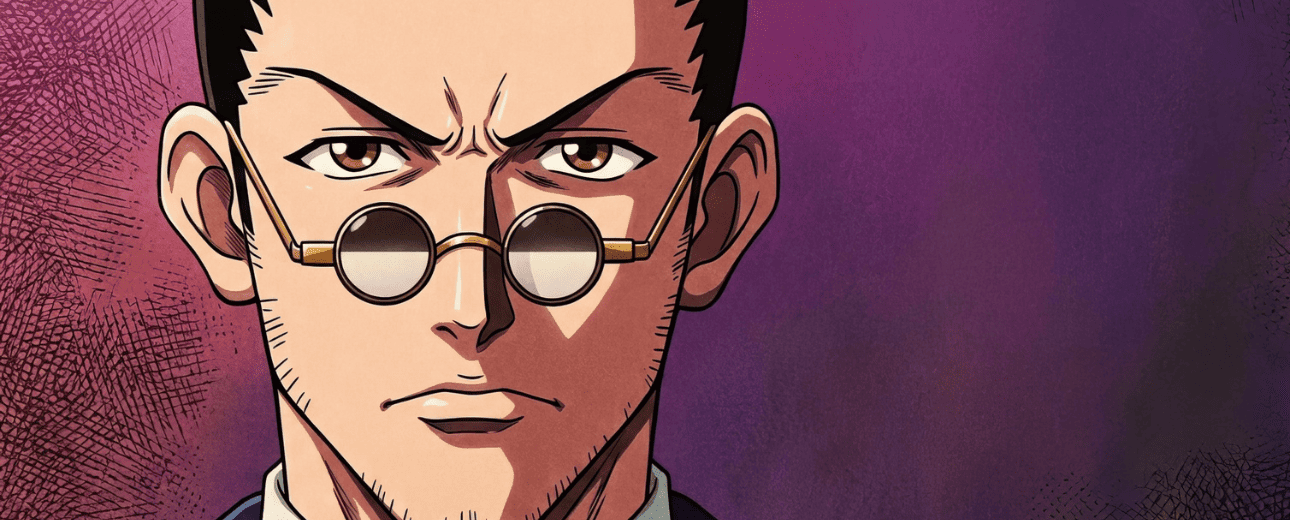
If you’ve ever watched Hisoka Morow tower over an enraged, sobbing Leorio Paladiknight during the Hunter Exam and thought “wait, why didn’t he just kill him right there?”, you’re asking exactly the kind of question that makes Hunter x Hunter such a rewarding show to dig into. As a longtime fan who has rewatched this scene more times than I’d like to admit, I can tell you that Hisoka sparing Leorio isn’t a plot hole or a moment of convenient mercy from the writers. It’s actually one of the clearest, earliest windows we get into Hisoka’s entire philosophy as a character, and understanding why he lets Leorio walk away tells you almost everything you need to know about how this magician-turned-killer operates for the rest of the series.
Hisoka Morow is, without question, one of the most fascinating antagonists in modern shonen anime, precisely because his violence isn’t random or purely sadistic. According to how the series consistently portrays him across the Hunter Exam arc, the Yorknew City arc, and Greed Island, Hisoka operates according to a strict, almost obsessive personal code centered on the idea of “ripeness”—he only wants to kill or fight opponents who have reached their full potential, because killing someone before they’ve grown into their strength is, in his eyes, an enormous waste. This single character trait explains not just why he spares Leorio during the Hunter Exam, but why he lets Gon and Killua live again and again despite having every opportunity and ability to end them.
The scene in question happens during the Hunter Exam, specifically around the transition into Zevil Island (the Fifth Phase), when Hisoka has already casually murdered several other examinees, including Bourbon. Leorio, horrified and furious at witnessing Hisoka’s casual brutality, snaps and attacks him head-on despite having virtually no chance of winning. What follows is a brutal, one-sided beatdown where Hisoka toys with Leorio, effortlessly dismantles his attack, and could end his life in an instant. Instead, he lets him live, mocks him, and walks away. Understanding the layers behind that decision requires looking at Hisoka’s core philosophy, his specific read on Leorio in that moment, the practical stakes of the Hunter Exam itself, and how this scene sets up Hisoka’s behavior for the rest of the series.
Whether you just finished the Hunter Exam arc for the first time and are trying to process what you just watched, or you’re a longtime fan revisiting this moment to appreciate how much it reveals about Hisoka’s character construction, this breakdown will walk through every angle of why Hisoka chose to spare Leorio instead of adding him to his growing body count.
Setting the Scene: What Actually Happens Between Hisoka and Leorio
Before diving into the “why,” it’s worth quickly grounding ourselves in exactly what happens during this confrontation, since the specifics matter a lot for understanding Hisoka’s reasoning. This moment occurs during the Hunter Exam, after Hisoka has already demonstrated his willingness to kill fellow examinees without hesitation or remorse, establishing him as a legitimate threat rather than just an eccentric background character.
The Buildup: Hisoka’s Body Count and Leorio’s Rage
By this point in the Hunter Exam, Hisoka has already killed multiple candidates, including brutally murdering Bourbon and severely injuring others simply because they annoyed him or because he found the act mildly entertaining. This isn’t subtle or implied violence—the anime and manga both show Hisoka’s kills in fairly graphic detail specifically to establish that he is not someone playing around. He’s a genuine murderer who has already passed a previous Hunter Exam and returned specifically because he enjoys the chaos and the potential to encounter strong future opponents.
Leorio, who has spent the entire exam bonding with Gon, Kurapika, and the group, reaches a breaking point after witnessing this casual slaughter. According to his characterization throughout the arc, Leorio is driven by a deep, personal desire to become a Hunter specifically to earn enough money to attend medical school and prevent other children from dying the way his best friend did due to lack of proper healthcare. This backstory matters enormously here because it explains why Leorio, of all the examinees, is the one who explodes with righteous fury at Hisoka’s senseless killing—to Leorio, life is precious specifically because he’s watched it be lost needlessly before, making Hisoka’s careless murder of other candidates feel like a personal affront to everything Leorio is fighting for.
Leorio confronts Hisoka directly, screaming at him about the value of life and demanding to know how he could kill people so casually during an exam meant to test worthy candidates for a respected profession. According to how this scene plays out in both the manga by Yoshihiro Togashi and the 2011 Madhouse anime adaptation, Leorio’s anger is genuine and unfiltered—he’s not performing bravery or trying to look strong in front of the others; he is legitimately outraged on a moral level that overrides his obvious understanding that he stands zero chance against Hisoka in a fight.
The Fight Itself: A Complete Mismatch
When Leorio actually attacks, the fight is exactly as one-sided as you’d expect given the enormous power gap between the two characters. Hisoka, already established as a Nen user of exceptional skill (though the audience doesn’t have the vocabulary of Nen yet at this early point in the story), toys with Leorio rather than fighting him seriously. According to the choreography of this scene, Hisoka dodges, deflects, and counters Leorio’s attacks with minimal effort, treating the confrontation more like swatting away an annoying insect than facing an actual threat.
At the climax of the beating, Hisoka has Leorio completely at his mercy—pinned down, injured, and utterly incapable of continuing the fight—and this is the exact moment where the audience expects him to either kill Leorio or seriously maim him as punishment for the attack. Instead, according to how the scene resolves, Hisoka pulls back, delivers some mocking commentary, and ultimately walks away, leaving Leorio alive, humiliated, and physically beaten but fundamentally intact. Gon’s intervention also plays a role here, as he steps in during the confrontation, though it’s worth noting that Hisoka’s restraint isn’t really because Gon stops him—Hisoka was never actually planning to kill Leorio in the first place, as we’ll get into shortly.
Hisoka’s Core Philosophy: The Ripe Fruit Metaphor
The single most important piece of context for understanding why Hisoka spares Leorio is grasping his signature philosophy about opponents, which the series frequently expresses through fruit-ripening metaphors that Hisoka himself uses in dialogue throughout the story.
Understanding the “Ripening” Concept
Hisoka repeatedly describes strong opponents and their potential using the metaphor of fruit that needs time to ripen before it’s worth “eating,” meaning that killing someone before they’ve reached their full strength and potential represents an enormous waste of what could have been a far more satisfying, meaningful fight or kill later on. According to his own explanations throughout the series, particularly regarding his fascination with Gon and Killua, Hisoka views raw, undeveloped potential as something almost sacred that shouldn’t be squandered through premature violence. He wants to watch these “unripe” individuals grow, train, and develop, specifically so that when he eventually does fight or kill them, the confrontation will be maximally satisfying and worthy of his skill and patience.
This philosophy according to consistent characterization across the Hunter Exam, Yorknew City, and Greed Island arcs isn’t just a poetic flourish—it’s the actual operating logic behind nearly every major decision Hisoka makes regarding who lives and who dies in his presence. He kills the examinees who bore him, who show no potential, or who actively annoy him with their weakness or arrogance, because they hold no future value to him. But characters who show genuine spark, unusual strength, or fascinating unpredictability get spared specifically because Hisoka wants to see what they become.
This is precisely the lens through which you need to view the Leorio confrontation—Hisoka wasn’t weighing whether to kill Leorio based on morality, mercy, or even direct threat level in the traditional sense, but rather evaluating whether Leorio was worth killing at all according to his very specific, self-serving criteria for what makes a death meaningful. According to this framework, most of the examinees Hisoka killed were essentially non-entities to him—forgettable, weak, and utterly without potential worth preserving. Leorio, interestingly, falls into a different category entirely, which is why his encounter ends so differently.
Why Leorio Specifically Didn’t Meet Hisoka’s Threshold
Despite showing genuine courage and passionate conviction by attacking Hisoka at all, Leorio at this point in the story is simply not a fighter in any meaningful sense. According to his characterization throughout the early arcs, Leorio’s strengths lie in his intelligence, his medical knowledge, his fierce loyalty to his friends, and his emotional depth—not in physical combat or Nen ability, which he hasn’t even begun to develop at this stage of the story. Hisoka, who evaluates potential specifically through the lens of eventual combat power and Nen capability, would have immediately recognized that Leorio poses no current threat and, more importantly, shows no immediate signs of becoming a dangerous fighter in the way Gon or Killua clearly demonstrate even at this early point.
This matters enormously for understanding Hisoka’s calculus. Killing Leorio wouldn’t satisfy his desire for a meaningful, challenging kill because Leorio isn’t skilled enough to make the fight interesting, and killing him wouldn’t represent the loss of significant future potential because, in Hisoka’s specific and admittedly narrow view of value, Leorio’s potential doesn’t lie in the combat direction Hisoka cares about. In other words, killing Leorio would have been almost pointless from Hisoka’s perspective—not cruel exactly, just boring and unnecessary, like stepping on an ant that got in your way rather than swatting down a genuine threat.
Practical and Strategic Reasons Behind Hisoka’s Restraint
Beyond the philosophical “ripe fruit” reasoning, there are several more concrete, practical considerations that likely factored into Hisoka’s decision to let Leorio live, and examining these adds important nuance to understanding his character.
The Hunter Exam’s Rules and Consequences
Hisoka, despite his chaotic and violent tendencies, is shown throughout the series to be remarkably strategic and self-aware about consequences, and killing candidates indiscriminately during a Hunter Exam that is being closely monitored by Hunter Association officials carries real risk of disqualification or worse. According to how the exam’s rules are established throughout the arc, examiners do intervene when violence crosses certain lines, and Hisoka himself operates carefully within the boundaries of what’s technically permitted during the exam’s more lawless phases, specifically because he wants to actually pass and obtain his Hunter License rather than simply cause chaos for its own sake.
Killing Bourbon and other weaker candidates who essentially provoked confrontations or who Hisoka determined were fair game within the exam’s structure is one thing. But continuing to escalate violence against someone like Leorio, who was defeated and no longer posed any threat, risks drawing unwanted scrutiny or intervention from exam officials at a moment when Hisoka still needs to complete the exam successfully to achieve his own goals. This strategic self-interest according to Hisoka’s overall behavior pattern throughout the series suggests that part of his restraint comes from simple pragmatism rather than pure philosophical conviction—he had nothing meaningful to gain and potentially something to lose by killing an already-defeated, harmless opponent in a monitored setting.
Gon’s Presence and Growing Influence
Gon Freecss’s intervention during this confrontation, while not the sole reason Hisoka spares Leorio, does play a meaningful role in the scene’s resolution and reflects the broader pattern of how Gon’s presence affects Hisoka’s behavior throughout the series. According to numerous instances across the show, Hisoka finds himself genuinely, increasingly fascinated by Gon specifically, viewing him as one of the most promising “unripe fruits” he’s ever encountered. This fascination means Hisoka is often more inclined to show restraint in situations involving Gon and his immediate circle of friends, not out of newfound morality, but because causing unnecessary friction with Gon this early risks souring what Hisoka hopes will become a much more satisfying rivalry and eventual confrontation down the road.
This doesn’t mean Hisoka is incapable of killing people Gon cares about—the series makes clear later on that Hisoka’s priorities always ultimately serve his own desires first. But in this specific moment, with Gon actively present, pleading, and positioning himself between Hisoka and Leorio, there’s an added incentive for Hisoka to de-escalate rather than push the confrontation toward an outcome that might complicate his budding interest in Gon as a future opponent worth cultivating.

What This Scene Reveals About Hisoka’s Character Long-Term
This early confrontation with Leorio isn’t just a standalone moment—it establishes a behavioral pattern that defines Hisoka’s character for the rest of the series, making it an essential scene for understanding everything that follows.
Consistency With Later Hisoka Behavior
Throughout the Yorknew City arc, the Greed Island arc, and the Chimera Ant arc, Hisoka continues to demonstrate this exact same calculus repeatedly—sparing individuals who show potential or entertainment value while showing zero hesitation in killing those he deems worthless or boring. According to his interactions with the Phantom Troupe, particularly his fascination with Chrollo Lucilfer and Illumi Zoldyck, and his ongoing relationship with Gon and Killua as they grow stronger, Hisoka’s decision-making framework remains remarkably consistent from this very first major scene. He is, in a strange way, one of the most predictable characters in the series once you understand his core motivation, even though his actions often shock other characters within the story who don’t yet understand what drives him.
This consistency according to strong character-writing standards is actually a significant strength of Togashi’s writing—rather than making Hisoka randomly violent or arbitrarily merciful depending on plot convenience, every single one of his choices throughout the series can be traced back to this ripe fruit philosophy established so clearly in this early confrontation with Leorio. Fans who go back and rewatch or reread the series with this framework in mind consistently note how much more sense Hisoka’s behavior makes throughout every subsequent arc, which speaks to how carefully this early characterization was constructed.
The Broader Theme of Value and Worth in Hunter x Hunter
Beyond just explaining Hisoka specifically, this scene also ties into broader thematic concerns that run throughout Hunter x Hunter as a series—questions about what makes a life valuable, how potential should be measured, and the danger of viewing people purely through a lens of utility. According to critical analysis of the series’ themes, Hisoka represents an extreme, almost predatory version of a mindset that shows up in gentler forms throughout the story, including in how the Hunter Association itself often evaluates people primarily based on their skills and usefulness rather than inherent human worth.
Leorio, interestingly, becomes something of a thematic counterweight to this exact mindset as the series progresses. His entire arc and motivation is built around the idea that every life has inherent value worth protecting and fighting for, regardless of strength, status, or “ripeness.” The fact that Hisoka spares him early on, almost dismissively, while Leorio goes on to become a genuinely important, beloved character who eventually does develop real strength and becomes a licensed Hunter and doctor, adds a layer of quiet irony to the whole confrontation—the “unripe fruit” Hisoka deemed not worth killing ends up proving, through his own actions and growth, exactly the kind of inherent worth that Hisoka’s entire philosophy fails to account for.

Frequently Asked Questions About This Scene
Given how often this specific moment comes up in fan discussions, it’s worth addressing a few common follow-up questions that tend to arise when people first process this confrontation.
Could Hisoka Have Killed Leorio If He Wanted To?
Absolutely, without any real difficulty—the power gap between the two characters at this point in the story is enormous, and nothing about the fight suggests Hisoka was ever in any danger or found the confrontation to be a genuine test of his abilities. According to the clear power scaling established throughout the Hunter Exam arc, Hisoka was already recognized as one of the most dangerous and skilled examinees present, having passed a previous exam and returned specifically seeking strong opposition, while Leorio at this stage had no Nen training and limited combat experience beyond raw physical scrapping. The fight’s one-sidedness isn’t ambiguous in the source material at all.
Does Hisoka Ever Threaten or Target Leorio Again?
According to the broader story, Hisoka doesn’t develop any particular ongoing fixation on Leorio the way he does with Gon, Killua, or Chrollo, largely because Leorio never rises to the level of combat potential that would trigger Hisoka’s specific brand of predatory interest. This absence of continued targeting actually reinforces the whole “ripe fruit” reading of the scene—if Hisoka had spared Leorio for sentimental or moral reasons, you might expect some kind of recurring dynamic between them, but instead Leorio essentially falls off Hisoka’s radar entirely once the exam confrontation ends, exactly as you’d expect if Hisoka genuinely just found him uninteresting from a combat-potential standpoint.
Is This Scene Handled Differently in the Manga Versus the Anime?
According to comparison between Yoshihiro Togashi’s original manga and the 2011 Madhouse anime adaptation, this scene remains largely consistent in its core content and outcome across both versions, though the anime does add some additional animated tension and pacing to the confrontation that enhances the emotional impact for viewers. Both versions preserve the essential beats: Leorio’s righteous fury, Hisoka’s effortless domination of the fight, and his ultimate decision to let Leorio live while mocking him rather than finishing him off.
Conclusion: A Small Scene With Massive Character Implications
Hisoka letting Leorio live during the Hunter Exam is far from a throwaway moment or simple plot convenience—it’s one of the most efficient pieces of character establishment in the entire series, using a single confrontation to teach the audience exactly how Hisoka evaluates the people around him. His decision comes down to a combination of his signature “ripe fruit” philosophy regarding potential and worthy opponents, the practical reality that Leorio posed no genuine combat threat or future value by Hisoka’s specific metrics, strategic self-interest in avoiding unnecessary complications during a monitored exam, and the subtle influence of his growing fascination with Gon, who intervened on Leorio’s behalf.
What makes this scene so rewarding to analyze, especially on a rewatch, is how perfectly it sets up Hisoka’s behavior for the rest of the series while also creating quiet thematic irony through Leorio’s own subsequent growth and development. The “unripe fruit” Hisoka dismissed goes on to prove, through his own persistence and heart, that worth isn’t always measured in raw combat potential—which is exactly the kind of layered, patient storytelling that makes Hunter x Hunter stand out among shonen series. If you’re working through the series for the first time, keep this scene in mind: it’s basically the instruction manual for understanding everything Hisoka does from this point forward.
References
Viz Media. Official Hunter x Hunter publisher page. https://www.viz.com/
Crunchyroll. Hunter x Hunter official streaming page. https://www.crunchyroll.com/
Wikipedia. Hunter x Hunter (overview and character information). https://en.wikipedia.org/wiki/Hunter_%C3%97_Hunter
MyAnimeList. Hunter x Hunter series database and community discussion. https://myanimelist.net/
Anime News Network. Hunter x Hunter news and coverage archive. https://www.animenewsnetwork.com/