Canada
 USA
USA Japan
Japan

The Phantom Troupe: Villains or Victims?

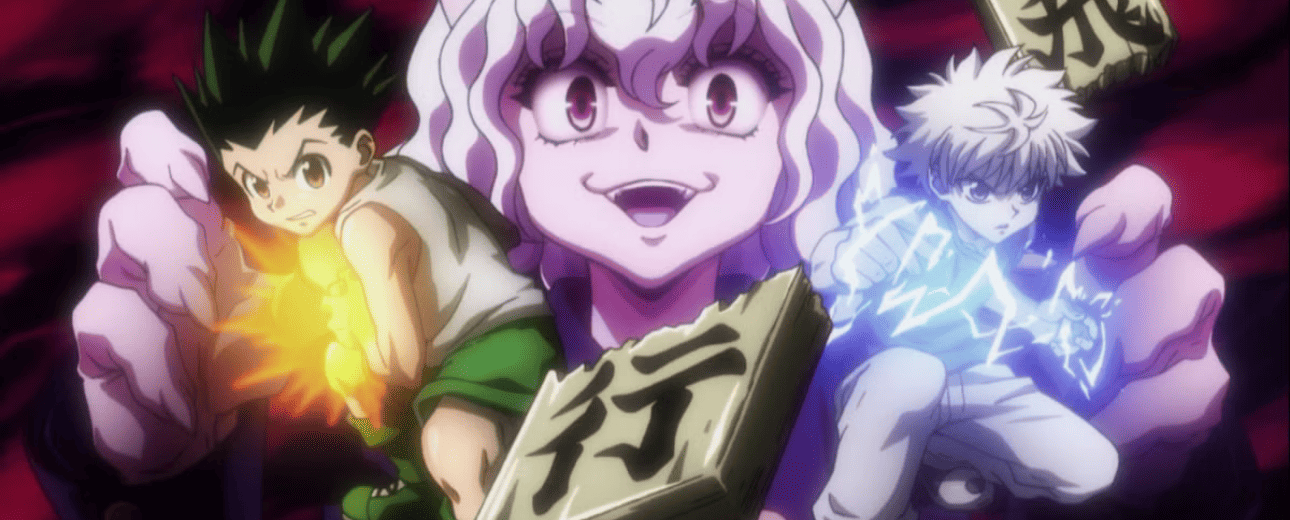
In Hunter x Hunter, the Phantom Troupe, also known as the “Spider,” stands as one of the most feared and fascinating groups in anime. Infamous for their ruthless actions, including the massacre of the Kurta Clan and countless robberies, they are undeniably framed as villains. Yet, Yoshihiro Togashi, the creator of the series, adds depth and complexity to their characters, leaving fans to question whether the Troupe are simply criminals or if they are, in some ways, victims of circumstance. This duality is what makes them one of the most compelling elements of the story. Discover why Hunter x Hunter is hailed as one of the greatest shonen of all time in this insightful article on Hunter x Hunter Merchandise.
Ruthless Criminals and Feared Enemies
On the surface, the Phantom Troupe embodies villainy. Their introduction in the Yorknew City arc cements them as cold-blooded killers, capable of wiping out Mafia groups without hesitation. Members like Feitan, with his sadistic fighting style, and Uvogin, who takes pleasure in destruction, remind us of their merciless tendencies. The massacre of the Kurta Clan, driven by their lust for the Kurta’s scarlet eyes, is perhaps the most defining act of their cruelty. To Kurapika and countless others, the Troupe represents nothing less than evil incarnate. These deeds cannot be ignored, and they solidify the group as one of the darkest forces in the Hunter x Hunter universe.
A Bounty List That Speaks for Itself
Every member of the Phantom Troupe carries a Class-A bounty placed on them by the Hunter Association, a status reserved for only the most dangerous individuals in the world of Hunter x Hunter. According to CBR’s breakdown of the group, the Troupe’s crimes extend far beyond theft and murder to include torture, terrorism, and genocide — a record that places them among the most wanted criminals in the entire series, as detailed in this CBR explainer on the Phantom Troupe.
The Kurta Clan Massacre as the Defining Atrocity
No single act defines the Troupe’s reputation as villains more than the destruction of the Kurta Clan. The sheer scale and calculated nature of the massacre — wiping out an entire clan to harvest their scarlet eyes for profit — set the tone for how the rest of the world perceives the Spider, and it remains the driving force behind Kurapika’s entire arc throughout the series.
Bonds and Humanity Within the Spider
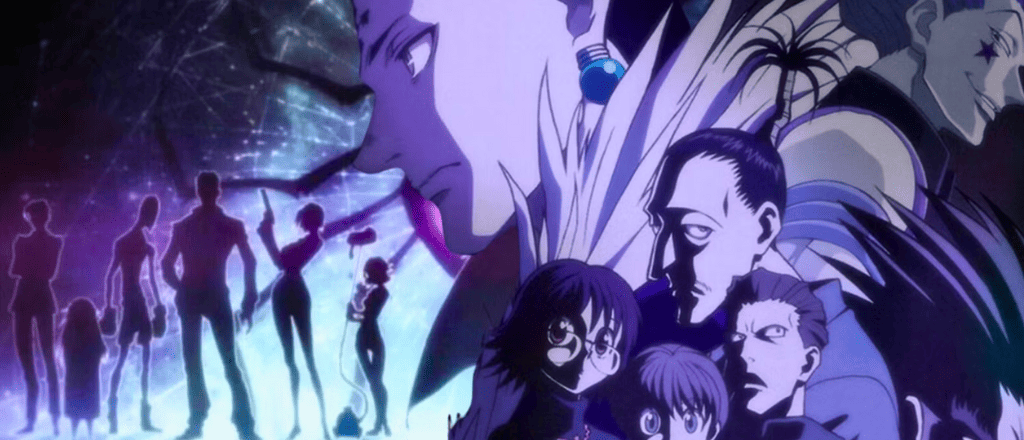
Despite their terrifying reputation, the Phantom Troupe is not portrayed as mindless killers. They share a strong bond, referring to themselves as a family and showing loyalty to their leader, Chrollo Lucilfer. When Uvogin dies, the group mourns his loss, revealing that even villains are capable of love and grief. Shizuku’s lighthearted humor, Machi’s care for Chrollo, and Nobunaga’s fierce loyalty highlight that beneath their violent exteriors lies a group of individuals capable of connection and emotion. Even Chrollo himself, often painted as a cold strategist, displays charisma and empathy toward his companions. This human side complicates how we judge them, as it suggests they are not purely evil but instead complex individuals who found belonging within the Spider.
Chrollo Lucilfer: The Glue That Holds the Spider Together
While Chrollo is frequently described as one of the series’ most calculating villains, his role within the Troupe reveals a far more layered personality. Members devote themselves to protecting him not out of fear, but because they genuinely see him as the heart of the group — to the point where, as CBR notes, Chrollo himself would willingly die to keep the rest of the Troupe safe, prioritizing the survival of the family he built over his own life, according to CBR’s deep dive into the Phantom Troupe’s backstory.
Grief, Loyalty, and the “Replaceable Leg” Philosophy
One of the most striking aspects of the Troupe’s internal culture is their belief that the group must survive even if an individual member doesn’t. Despite this philosophy, the death of a member like Uvogin still triggers real, visible grief among the Spiders — proof that their unity isn’t just a tactical arrangement, but something closer to genuine found family, even within an organization built on violence.
Victims of Circumstance and a Harsh World
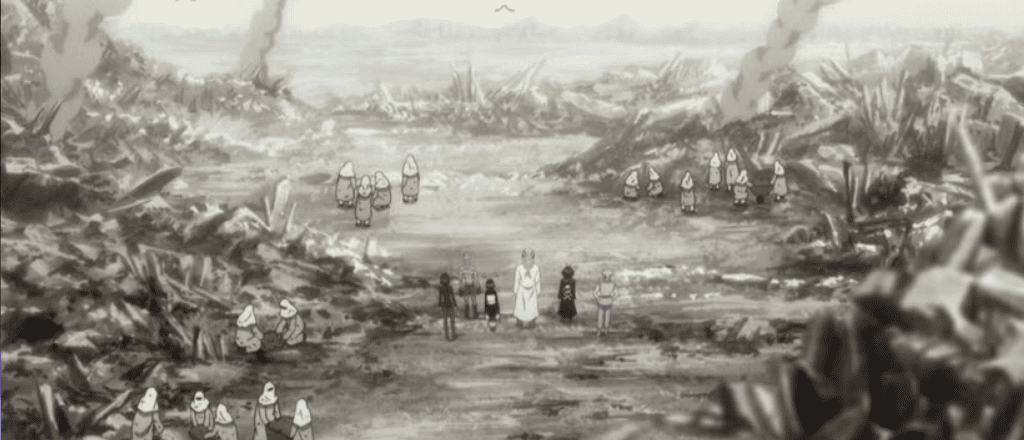
Digging deeper, the Phantom Troupe’s origins shed light on why they became the way they are. Most members come from Meteor City, a lawless dump where society discards its unwanted people and items. Raised in poverty, neglect, and violence, the Troupe members grew up in an environment that offered them no protection or opportunity. In this context, their unity as a “family” was both survival and rebellion against a world that had already abandoned them. The massacre of the Kurta, while unforgivable, also reflects their greed shaped by desperation and the value society placed on scarlet eyes. Rather than being born villains, many members of the Troupe are arguably victims of an unjust world, molded by pain and exclusion.
Meteor City: A Place That Doesn’t Officially Exist
According to the Hunter x Hunter wiki, Meteor City’s residents have no legal records and are not recognized as people by the outside world, making them targets of intense human trafficking, with the vast majority of victims being children under the age of fifteen. This systemic abandonment by society is a crucial piece of context for understanding why the Troupe’s founding members came to see the rest of the world as an enemy long before they ever stole a single scarlet eye, as documented on the Hunterpedia Meteor City page.
Sarasa’s Death as the Spark Behind the Spider
Much of the Troupe’s founding mythology centers on the murder of Sarasa, a close friend of the founding members during their childhood in Meteor City. Her death at the hands of outside traffickers is widely cited as the catalyst that pushed Chrollo and his friends to transform from frightened children into a group determined to make the world fear them, so that no one from their city would ever be preyed upon again, a turning point explored in detail in Game Rant’s breakdown of Meteor City.
A Legacy of Ambiguity
Ultimately, the Phantom Troupe embodies the moral ambiguity that makes Hunter x Hunter so unique. They are both villains and victims — murderers who nonetheless love each other, criminals who still dream and grieve. Togashi refuses to reduce them to simple archetypes, instead presenting them as tragic figures caught between survival, greed, and loyalty. This layered portrayal is why fans continue to debate their true nature: should we condemn them as irredeemable monsters, or empathize with them as broken individuals shaped by their environment? In the end, the Spider’s greatest strength lies not just in their power, but in how they challenge us to reconsider the very definitions of good and evil.
Heroes to Some, Monsters to Others
Perhaps no detail captures the Troupe’s moral complexity better than their reputation within Meteor City itself. While the rest of the world sees them as monsters, the people of Meteor City regard them as protectors and heroes who fought back against a world that tried to erase them. This split perception is a deliberate storytelling choice by Togashi, forcing readers to hold two contradictory truths about the same group at once.
Why the Debate Around the Troupe Still Matters to Fans
Years after their introduction, the Phantom Troupe remains one of the most discussed groups in the entire Hunter x Hunter fandom, precisely because no consensus has ever been reached about how they should be judged. This unresolved tension is part of what makes them such a compelling case study in morally gray storytelling, and it’s a major reason they continue to inspire fan theories, essays, and debates across the community.